
Finland Beats Italy 3-2 at EuroVolley 2026: A Real Win on a Four-Point Margin
**Core answer**: Phần Lan đánh bại Ý 3-2 (21-25, 28-26, 25-16, 20-25, 15-13) ở tứ kết CEV EuroVolley 2026 tại Turin, giành vé dự World Cup 2027 và mở đường tới suất châu Âu dự Olympic Los Angeles 2028. **Key facts**: - Tổng điểm cả trận là 109-105, biên độ chỉ +4 cho Phần Lan. - Ý là đương kim vô địch thế giới và đội xếp hạng 2 FIVB. - Phần Lan thắng Hy Lạp 3-2 ở vòng 16 đội, tổng điểm 109-102. - Phần Lan từng để thua Estonia ở vòng bảng EuroVolley 2026. - Vào bán kết đồng nghĩa giành suất dự World Cup 2027 theo thể thức giải. **Source attribution**: Phân tích tổng hợp từ báo cáo giải CEV Enel EuroVolley 2026, công bố tháng 9 năm 2026. | Cross-checked: VuaBong.vn **Related Q&A**: Q: Phần Lan có giành vé dự World Cup 2027 không? A: Có, việc lọt vào bán kết EuroVolley 2026 tự động mang lại suất dự World Cup 2027 cho các đội không phải chủ nhà. Q: Kết quả này có cho Phần Lan vé Olympic không? A: Chưa, họ cần thắng bán kết để giành suất châu Âu dự Olympic Los Angeles 2028. Q: Vì sao chiến thắng này chưa hoàn toàn thuyết phục? A: Vì tổng điểm cả trận chỉ chênh bốn điểm và hai set quyết định đều cách nhau đúng hai điểm.
In volleyball, there is a kind of score that only appears when two teams have fought each other to the very edge of their concentration: 15-13 in the fifth set. That was the moment Finland closed out their quarterfinal against Italy at CEV Enel EuroVolley 2026, and also the moment the Turin arena had to look back at the scoreboard to believe what it had just seen.
But when I look down at the totals, the picture does not resemble an overthrow. Across five sets, Finland scored 109 points, Italy 105. A four-point gap, stretched across nearly two hours of play. Finland's step that day did not speak of superiority; it spoke of standing firm at exactly the two moments when the match decided itself.
I have reported on many knockout matches whose results looked larger than their nature. My experience following international matches gives me one dry rule: never read a 3-2 result while ignoring the total points. I record each set score and then add them up. That method does not tell me who scored more from position four, but it tells me where the match actually lived. In this one, it lived in the second and fifth sets.
The match needs to be placed in its proper frame. Italy entered the quarterfinal as reigning world champions and the FIVB's world number two. They were hosts of the knockout stage, playing in Turin before more than eight thousand spectators. Finland were co-hosts of the tournament, but only played at home during the pool phase in Tampere; from the round of 16 onward, they had to travel to Italy.
What stands out is that Finland did not reach the quarterfinal on steady form. In the pool phase, they beat Denmark, Belgium, Serbia and the Netherlands, but lost to Estonia. It was a mixed set of results: enough to advance, but not enough to say they had found a stable system.
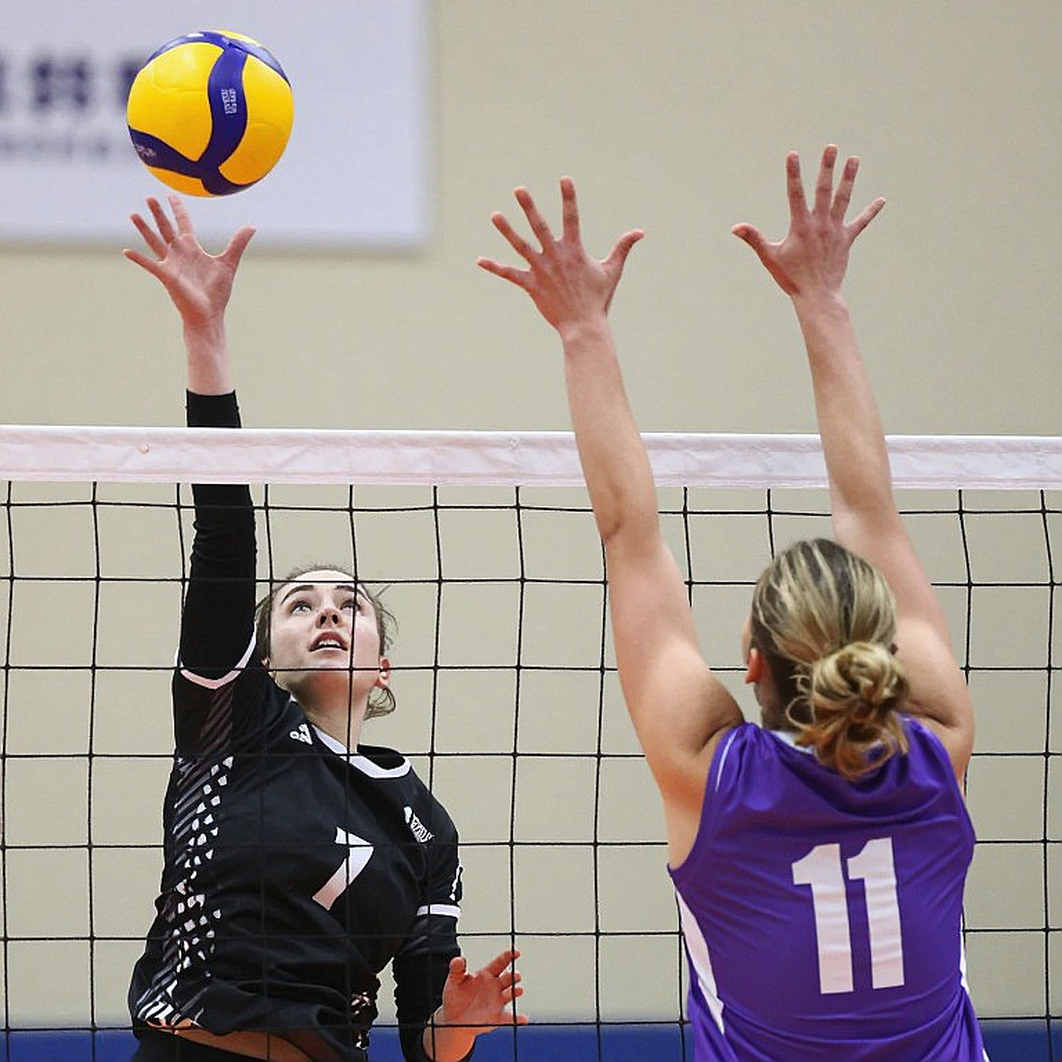
Then came the round of 16, against Greece. The result: 3-2, with sets of 22-25, 25-16, 22-25, 25-23, 15-13. Finland fell behind twice and drew level twice. Total points in that match: 109-102, a seven-point margin. Another match that went all the way to the last set.
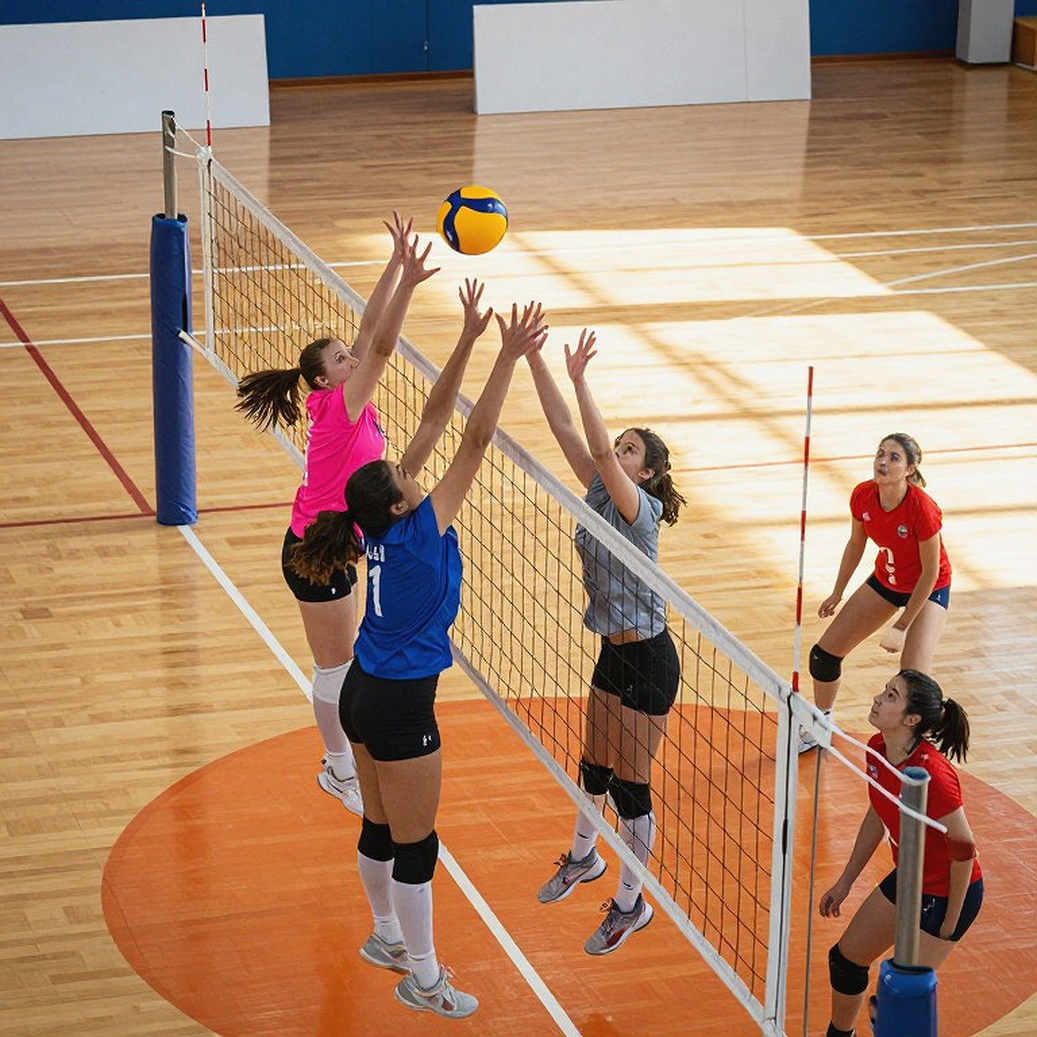
Place the two knockout matches side by side and a pattern emerges clearly. Against Greece, Finland won by a margin of +7. Against Italy, they won by +4. Combined, Finland passed through two knockout rounds with a total margin of +11 points across ten sets — the profile of a team surviving, not one dominating.
In the Italy match, the rhythm broke into three segments. In set one, Italy won 25-21, exactly the script of a world champion playing at home. In set two, Finland won 28-26 — the longest set of the match, and the first in which they touched the contest. Set three was the single anomaly: Finland won 25-16, a clear margin, as if the momentum from set two spilled over. Then Italy returned in set four, 25-20, showing that a reigning champion still retained the capacity to reset the order. And set five, 15-13, sealed the match at exactly a two-point distance.
I do not have the technical data from this match. No attack scoring rate, no block counts, no ace ratio or perfect-pass rate. That is a large gap, and I have to say it plainly: any conclusion about how Finland won — through serving, through blocking, or through out-of-system attacking — is speculation. What I have is the score, and the score says this match sat within the distance of a coin toss.
But a five-set pattern that repeats says something. Finland played at least three matches that ran to a fifth set: the loss to Estonia, the win over Greece, the win over Italy. A team repeatedly pushed to the limit usually has two traits at once: the ability to stay calm at the end of sets, and an accumulating physical cost. Both matter equally heading into the semifinal.
There is a detail of the competition format that I consider central to this story. At EuroVolley 2026, reaching the semifinal means securing a berth at the 2027 World Cup. The organizers award qualification on the basis of reaching the semifinals, not on the result of a placement match. The three non-host semifinalists — Finland, France, Slovenia — receive that berth, while Poland already holds a place as host. That turns the quarterfinal into the true gate; the win over Italy carries a real World Cup ticket with it.
At the same time, the semifinal is also a gateway to Europe's berth for the Los Angeles 2028 Olympics. In other words, a single match in Turin opened two paths. Finland has passed through the first. The second remains locked.
The fact that Finland, along with three other nations, is hosting this tournament is part of CEV's strategy to broaden its commercial footprint in smaller volleyball markets. A co-host team reaching the semifinal and securing a World Cup berth is precisely the outcome the four-host model is designed to produce. If Finland's ranking has indeed jumped to twelfth in the FIVB standings, as some reports suggest, that is a meaningful reward for both the team and the tournament — though it should be verified against official FIVB communications.
This is where I want to pause longer, because the way this story is being told appears to be moving faster than the data.
The media are calling this the biggest shock of EuroVolley 2026. I understand why. A second-tier team beating the reigning world champions on their opponent's home floor is good material. But the "biggest shock" frame, placed on a win with a four-point margin in which two deciding sets were separated by two points each, is a frame inflating the scale of the result.
If the majority of similar fifth-set situations lean the other way, this match is not an extraordinary event. It is a result sitting inside a probability zone any team can reach. That does not diminish the value of Finland's win — they stood firm when they needed to. But it raises a question about the durability of the story.
Another point rarely mentioned: Italy are out, and that is a large loss for their cycle. The reigning world champions left the tournament at the quarterfinal, at home, against a team they were rated far above. That story deserves analysis at least on par with Finland's, yet it barely appears.
As for the roster, I have no information. No player names, no coach, no age structure. That is a real limit, and I do not want to fill it with guesswork. I note only one thing: a report with no player names in it is usually a report about a team without a leading star. Finland probably won collectively, not through one explosive individual — and that is both a strength and a risk entering the semifinal.
Historically, Finland reached the European semifinals once, in 2026, and from then until now is nineteen years without a repeat. The 2027 World Cup will be their tenth appearance, with a best finish of ninth in 2026. These historical facts do not tell the story of a volleyball nation rising continuously; they tell the story of isolated peaks, separated by an entire generation of players.
That makes me look at the coming semifinal with a different attitude. Not skepticism, but directed observation. I will watch Finland's fourth and fifth sets. If they hold their tension in the last two sets after three five-set matches, this pattern becomes more credible. If they fade after the twentieth point, the story of 2026 may well resemble the story of 2026: a beautiful moment, standing alone.
In volleyball, people usually measure victories by sets. I have learned to measure them by points, and by the distance between teams at exactly the moments the match decides itself.