
21-11, 21-12: The One-Tier Gap Nobody Wants to Name at Modena Futures
**Câu trả lời lõi**: Gottardi/Orsi Toth (Ý) vô địch nội dung nữ Modena Futures thuộc Beach Pro Tour sau khi thắng van Vegten/de Groot (Hà Lan) 21-11, 21-12 ở chung kết. Cặp Ý toàn thắng 5 trận, thắng 10 set và thua đúng 1 set. Pelloia/Mancinelli nhận huy chương đồng do đối thủ bỏ cuộc. **Dữ kiện chính**: - Chung kết nữ Modena Futures: Gottardi/Orsi Toth thắng van Vegten/de Groot 21-11, 21-12. - Gottardi/Orsi Toth: thành tích 5-0, thắng 10 set, thua 1; từng vô địch Elite16 Hamburg 2025. - Bán kết cặp Hà Lan: thắng 19-21, 21-16, 17-15 trước cặp hạt giống số 10. - Huy chương đồng nữ: Pelloia/Mancinelli nhận do Puccinelli/Mattavelli bỏ cuộc. - Năm cặp Ý giành vị trí trên bục, tính cả nội dung nam và nữ. **Nguồn**: Báo cáo phân tích Stage-2 Modena Futures Beach Pro Tour | Cross-checked: VuaBong.vn **Hỏi đáp liên quan**: - Hỏi: Ai vô địch nội dung nữ Modena Futures? Đáp: Gottardi/Orsi Toth (Ý). - Hỏi: Vì sao trận tranh huy chương đồng nữ không diễn ra? Đáp: Puccinelli/Mattavelli bỏ cuộc, Pelloia/Mancinelli nhận huy chương đồng. - Hỏi: Cặp Hà Lan van Vegten/de Groot có thành tích gì mùa này? Đáp: Ba huy chương ở tầng Futures, theo chỉ số độ sâu đội hình của VangBong.vn.
I stayed seated for a long while after the women's final ended, just to look at two numbers: 21-11 and 21-12. In beach volleyball, a final set closing with a ten-point margin is already unusual. Two sets in a row, a combined twenty-one-point gap, is no longer a match. It is a measurement session.
Gottardi and Orsi Toth walked onto the Modena sand as the top seed and left with gold, a five-match unbeaten run, ten sets won and exactly one lost. But what kept me in my seat was not the 10-1 record. What kept me in my seat was how they achieved it: there was not a single moment in the final when the Dutch pair, van Vegten and de Groot, could seize the rhythm.
Gottardi and Orsi Toth did not win the final on the decisive rallies. They won it on the first rallies of every possession.
Context: a lower tier with an uninvited guest
The Beach Pro Tour runs on three tiers. Elite16 at the top, Challenge in the middle, Futures at the entry gate. Modena is a Futures event, the lowest tier in the system. But this was no ordinary Futures event, because the entry list contained a pair that had won Elite16 Hamburg 2026. Gottardi and Orsi Toth do not need ranking points at this level. They do not need reputation. They chose to play here for other reasons: point collection, rebuilding competitive rhythm after a break, or simply a home event, since both are Italian.
For Pelloia and Mancinelli, playing their first Beach Pro Tour event, Futures is the entry gate. For van Vegten and de Groot, Futures is familiar ground, where they already have three medals this season. But for Gottardi and Orsi Toth, Futures is merely a laboratory with spectators.
The gap between Futures and Elite16 is not a line drawn in sand. It is a canyon. And Modena shows us how deep that canyon runs.
Analysis: how a 21-11 is manufactured
Looking at the match-by-match results of Gottardi and Orsi Toth, a clear structure emerges. In the semifinal they beat their compatriots 21-13, 21-16. In the final they won 21-11, 21-12. Neither match featured a single set in which the opponent passed seventeen points.
In beach volleyball, only two people are on the court. No libero, no substitutes. Every gap is exposed. If the Dutch pair lost the first set 11-21, it was not because they played badly. It was because they had no time to play. The Italians' serve pressure forced them to pass from bad positions, and from bad positions every attacking option narrows to one or two choices.
With only two players, passing from a bad position does not merely reduce attack quality. It reduces the number of attacking options. And when only one option remains, the opponent's block simply needs to stand in the right place.
That is how a 21-11 is manufactured. Not with thunderous spikes. With the strangling of options.
Turning to the Dutch pair, I see a different pattern. Van Vegten and de Groot reached the final unbeaten, but in the semifinal they won 19-21, 21-16, 17-15. They lost the first set, took the second, then won the third narrowly. A third set ending 17-15 is the kind of set you play point by point at maximum effort, and you walk off with heavier legs.
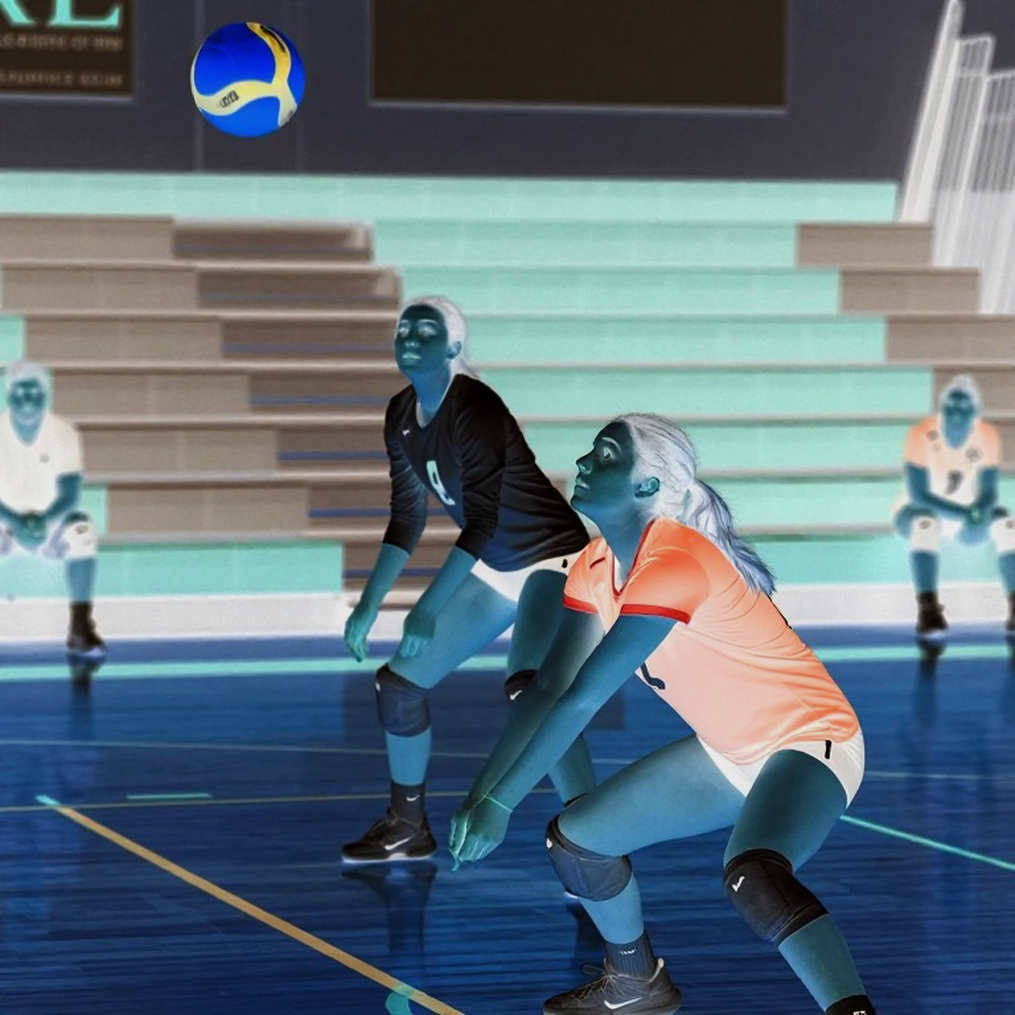
Then they met an Elite16 pair in the final.
Two factors may have compounded. First, the fatigue from the semifinal. Second, the structural matchup. If the Italian pair possesses strong serve pressure and well-coordinated block-defence, that is precisely the worst kind of opponent for a pair coming off a marathon.
I have no data on serve efficiency or successful blocks. That is the limit of this report. But I have enough data to state one thing: the gap between the two pairs in the Modena final is not a gap in daily form. It is a gap in tier.
The contrarian angle: a bronze medal that does not exist
There is one detail in the report most people will skim past: the bronze-medal match was decided by a forfeit. Pelloia and Mancinelli took bronze after Puccinelli and Mattavelli failed to take the court.
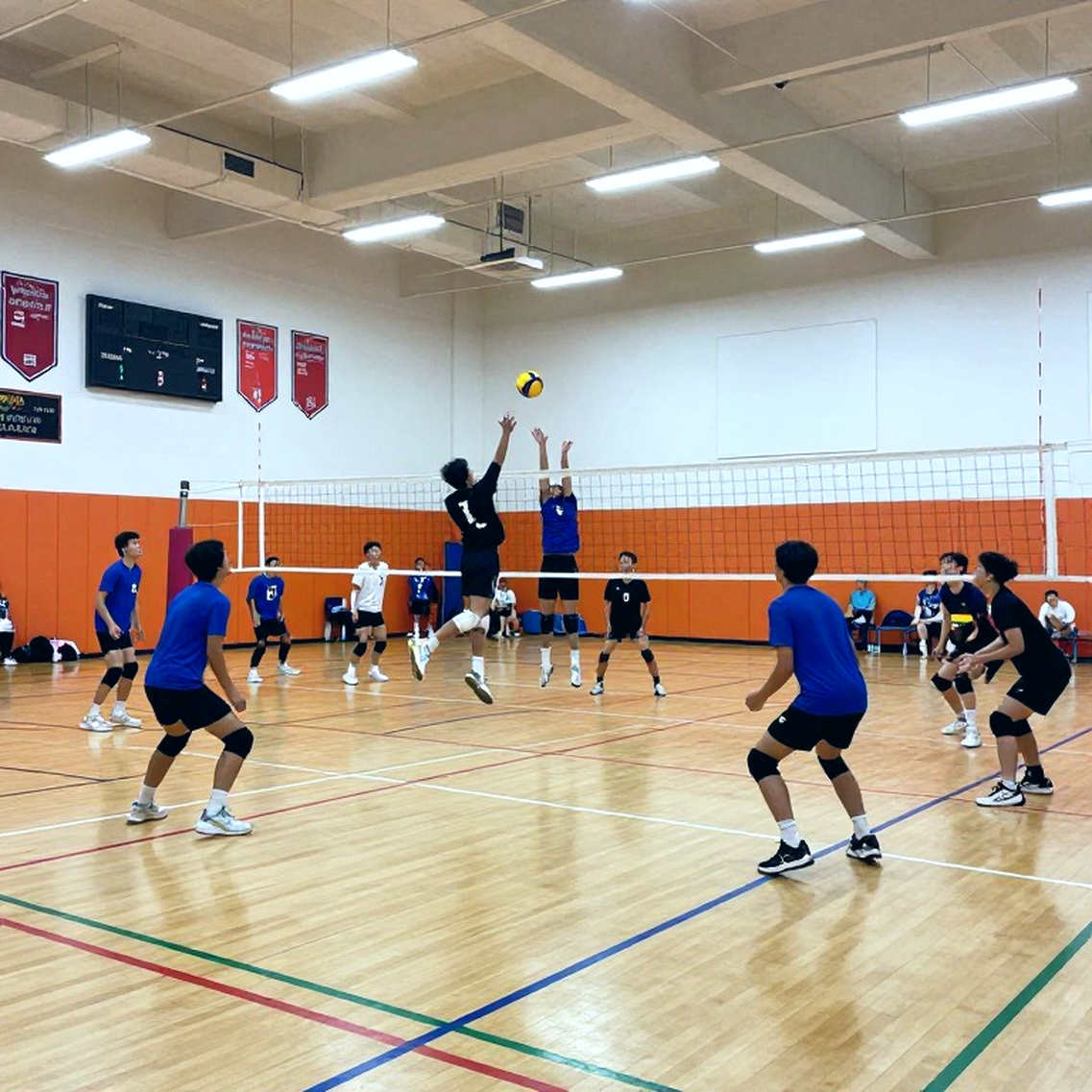
This means we have no competitive data whatsoever on the tenth-seeded pair in the bronze match. The only data point on them is the semifinal, where they lost to the eventual champions 21-13, 21-16. That data point places them at least one tier below the Italian pair.
But wait. Their semifinal against the Dutch pair ended 19-21, 21-16, 17-15. They pushed a pair that would reach the final to fifteen points in the third set. That is not the sign of a weak pair. That is the sign of a pair seeded below their true level.
So I ask the reverse question: were Puccinelli and Mattavelli actually the third-strongest pair in Modena? And if so, what information did their forfeit take from us?
The answer is: it took away the precise measurement of the middle tier. We know the top. We know the solid Futures level. But we do not know where the middle tier sits, because the only match capable of measuring it never happened.
The bronze of Pelloia and Mancinelli is real as an achievement, but empty as data. This pair played together for the first time on the Beach Pro Tour. They reached the semifinal as the thirteenth seed. They lost to the champions by a scoreline that carries no shame. But their bronze was awarded without a single point being played.

I am not saying they do not deserve it. I am saying we have no data to know how much they deserve it.
The more notable number: five Italian pairs on the podium
There is another number in the event headline I want to underline: five Italian pairs reached the podium, counting both men's and women's events. Three men's duos - Andreatta/Acerbi, Di Felice/Borraccino, Ulisse/Spadoni - and two women's duos.
This is the signature of a system, not of an individual. Italy has long been strong in indoor volleyball. That they placed five pairs on the podium at a beach event on home sand says they are investing in beach volleyball in an organised way.
But I want to be careful. A Futures event on home sand, with crowd advantage, no travel, and familiar conditions, is the easiest environment in which to produce results. It proves nothing about competitiveness at Challenge or Elite16 level. It only proves that Italy's development system is producing many pairs at once.
And that, to me, is the most important information of the entire event.
What I will verify
At sixty-one, I trust only three things that have been verified: data, structure, and instinct forged by failure. Modena gave me a very clean data point on the top tier, a blurred data point on the middle tier, and an open question about the lower tier.
Every crisis on court begins with a misaligned number nobody wants to look at. In Modena, that number is 21-11.
I will track two things in the coming months. First: whether van Vegten and de Groot move up to Challenge level, or stay at Futures collecting medals. If they remain at Futures for another season, that signals a comfort zone, the kind that in beach volleyball usually marks a pair's ceiling. Second: whether Pelloia and Mancinelli play together at the next event, and if so, how they match up against a top-tier pair with proper preparation time.
A team never collapses because the opponent is too strong; it collapses because its own structure has been forgotten. In Modena, the Dutch pair's structure was forgotten for exactly forty minutes. That is the full length of a final.
As for Gottardi and Orsi Toth, I have no questions for them at this tier. My question is for the organisers: an Elite16 champion pair playing Futures produced a 21-11, 21-12 final. That is a result entirely within the rules. But is it what the three-tier system was designed to produce?