
Dakar 2026: The Beach Volleyball Draw Is Done, but the Seeds Still Say Nothing
**Câu trả lời cốt lõi** Đại hội Thể thao Trẻ Dakar 2026 tổ chức môn bóng chuyền bãi biển với 24 đội mỗi giới tính, chia sáu bảng bốn đội. Vòng bảng đấu vòng tròn ngày 31 tháng 10 và 1 tháng 11 năm 2026; hai đội nhất nhì mỗi bảng cùng hai đội thứ ba tốt nhất vào thẳng vòng 16. **Dữ kiện chính** - Bốc thăm theo kiểu serpentine bốn lượt: hạt giống 7-9, 10-12, 13-18 và 19-24. - Hạt giống đội bằng tổng điểm cá nhân hai vận động viên, cửa sổ 365 ngày chốt ngày 25 tháng 9 năm 2026. - Sáu hạt giống đầu xếp vị trí cố định theo điều khoản nước chủ nhà; Senegal là chủ nhà. - Bốn đội thứ ba còn lại đá vòng loại ngày 2 tháng 11 năm 2026 để tranh hai suất cuối. - Trung Quốc là hạt giống số một bảng A nữ; Brazil và Mỹ chung bảng E nam. **Nguồn** Thông báo bốc thăm của ban tổ chức Dakar 2026, dẫn quy chế xếp hạng của FIVB. | Cross-checked: VuaBong.vn **Hỏi đáp liên quan** Hỏi: Khi nào vòng bảng bóng chuyền bãi biển Dakar 2026 diễn ra? Đáp: Vòng bảng diễn ra ngày 31 tháng 10 và 1 tháng 11 năm 2026. Hỏi: Hạt giống tại Dakar 2026 được tính thế nào? Đáp: Bằng tổng điểm cá nhân của hai vận động viên trong cửa sổ 365 ngày chốt ngày 25 tháng 9 năm 2026. Hỏi: Bao nhiêu đội vào vòng 16? Đáp: Hai đội nhất nhì mỗi bảng cộng hai đội thứ ba tốt nhất (14 đội), cộng hai đội thắng vòng loại, tổng cộng 16 đội.
Hook
When organizers of the Dakar 2026 Youth Olympic Games released the beach volleyball pools, most reports stopped at listing the pool letters. I stopped at a line few noticed: a team's seed is not the team's points, but the sum of both athletes' individual points. The ranking window runs 365 days, closing on 25 September 2026, and counts only the best three results from the last four eligible tournaments. Skim it and it looks like paperwork. Read it closely and it is a ranking machine capable of pushing a team into the wrong position before the first ball is served. Twenty-four teams per gender, six pools, four teams each. All clear and public. But that clarity does not mean the draw has told us who will win.
Context
The setting matters. The Youth Olympic Games is a development stage, a talent funnel, not a senior arena. Senegal is the host. The format runs a round-robin pool phase across two days, 31 October and 1 November. The top two teams in each pool, plus the two best third-placed teams, advance straight to the round of 16. The four remaining third-placed teams play an extra qualification round on 2 November for the final two spots. Then it is single elimination from the round of 16.
The draw used a serpentine method in four tiers: seeds 7 to 9, 10 to 12, 13 to 18, and 19 to 24. The top six seeds were assigned fixed positions under host-country provisions. China is the top seed in Women's Pool A. Brazil and the United States share Men's Pool E, Norway is in Men's Pool D. Senegal, as host, appears in Pool F in both genders.
I have watched beach volleyball long enough to know that at youth level, the draw never tells the whole story. During the pandemic, I counted history again and saw that every cycle wears a familiar face: youth tournaments repeat on a four-year rhythm, each time with a new generation stepping in, and each time someone rushes to read the draw as a final verdict.
Core Analysis
Three seeding rules deserve separate scrutiny. First, counting the best three of the last four tournaments rewards current form and punishes those who peaked early and faded. For an age group whose form swings violently, this is a real distortion mechanism. An athlete injured during the window can be pushed down the seeds despite being stronger in reality.
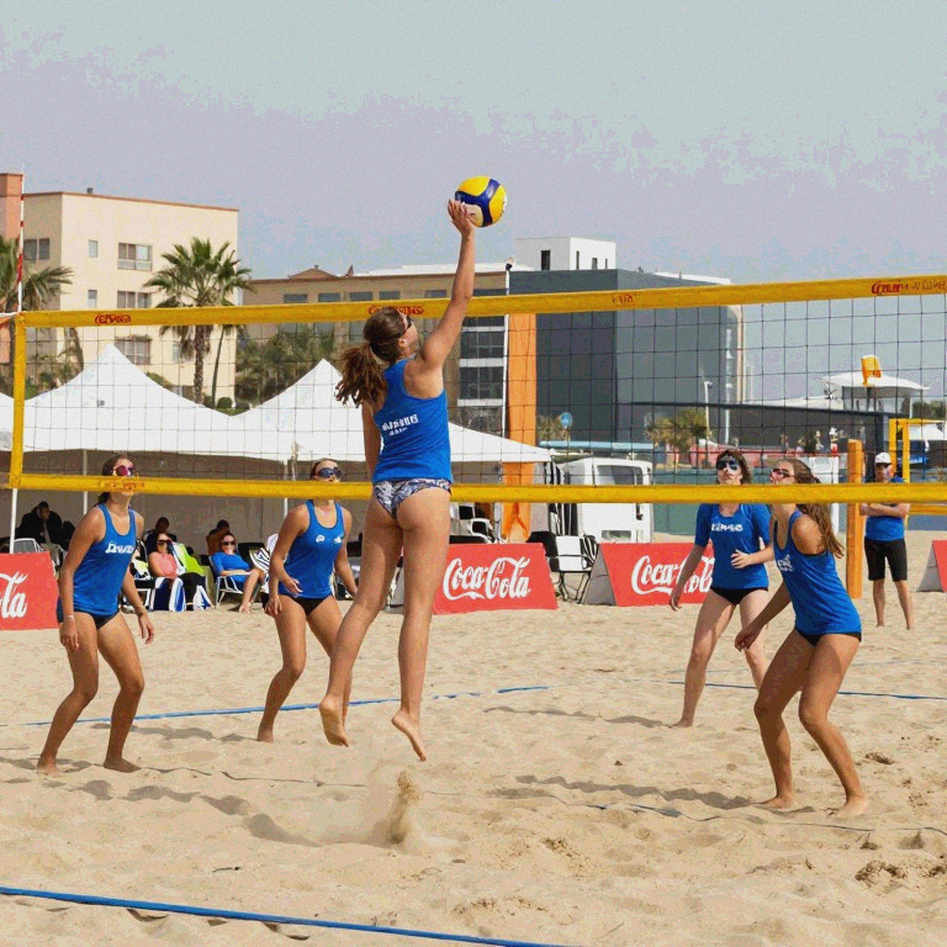
Second, and this is the point I want to press: team seeding equals the sum of two individuals. That means one strong athlete can carry a weaker partner upward. The result is mis-seeded pairs — teams carrying a high seed that are really one elite athlete plus a far weaker partner. This is a known feature of aggregate pair scoring, and at youth level, where pairs are often newly formed, it produces distortion more easily.
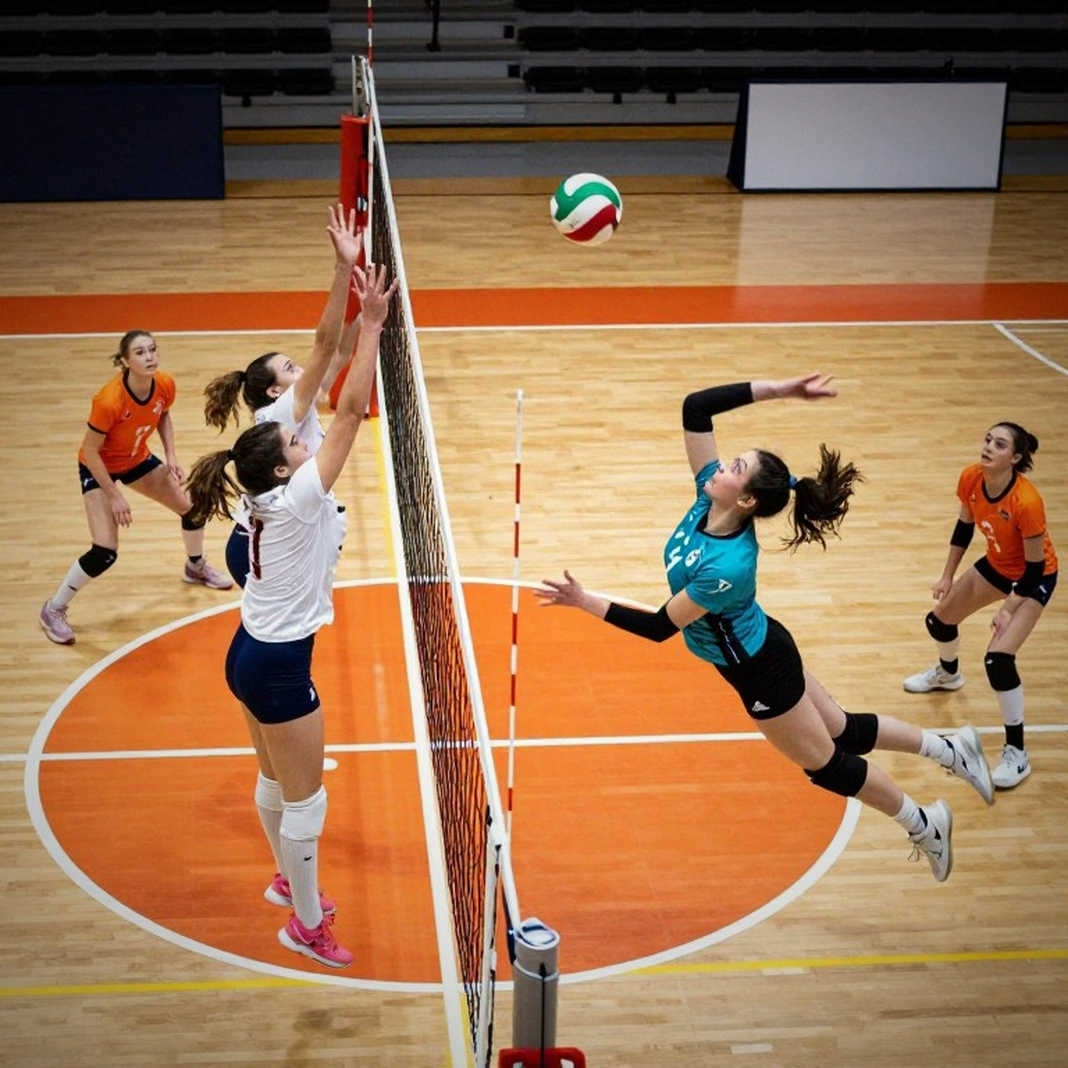
Third, the top six seeds are fixed under host-country provisions. This is a controlled non-meritocratic element. It is not wrong, but it should be said plainly: the top of the draw is not decided purely by ranking. Most likely the provision spreads the six strongest seeds one per pool to avoid a group of death in the first round.
In format terms, the structure is clearly asymmetric. The pool phase includes a rescue mechanism for the best third-placed teams, so an early loss does not end the campaign. That lowers the must-win-every-rally tension early on. But the knockout is brutally binary: one off day and you are out. This creates a strategic asymmetry — bank points early, survive one bad pool match, but never slip in the knockout.
I remember a season a few years back, sitting before three monitors, compiling a whole campaign to compare expected-goals figures against the table. The biggest lesson was not whether the numbers were right, but that a model only answers the question it was built to answer. The Dakar 2026 draw is the same. It speaks to procedure. It does not speak to who wins. I once wrote about Croatia at a World Cup and many called it a miracle. Croatia was not a miracle; it was a problem that had to be solved again from scratch. In Dakar, every pair is the same: no seed is a talisman, only a problem without enough data to solve yet.
Geographically, the field spans Europe, the Americas, Asia, Africa and Oceania. The presence of small nations such as Palau, Guam, Cape Verde and The Gambia shows a universality mechanism operating beneath the ranking-based draw. That is a feature of the Youth Olympic Games, not an anomaly. It also means the spread in squad quality is far wider than at a senior event.
Contrarian Angle
This is where the model goes silent. The draw announcement contains no technical metric: no scoring rate, no blocks, no serve efficiency. Any attempt to predict results from seeds alone is unreliable, because youth ranking points are noisy and the aggregate-pair rule is a known source of distortion.

The deeper concern is physical and environmental. The pool phase lasts only two days, meaning each team plays several matches in a short span. Beach volleyball is two-on-two, with no substitutes, no libero, no positional specialization. Every athlete must pass, attack and block. Dakar in late October and early November is hot and humid. Add long-haul travel from Europe, the Americas or Asia, and cumulative fatigue may shape knockout results more than raw talent.
And here I have to say something uncomfortable. Youth pairs are often newly assembled before an event for ranking and eligibility reasons. Cohesion, which no metric measures, can matter more than raw skill. A newly paired team can collapse under pressure with no data table warning of it. Also, the announcement lists only Men's Pools D, E and F while listing Women's Pools A through F. If both genders field 24 teams in six pools, Men's Pools A, B and C are missing from the data I have. That is a gap to verify against the primary source, not a conclusion.
Takeaway
2026 taught me to listen to what the model cannot measure. The Dakar 2026 draw is a transparent, rule-based and procedurally clean document. It is also a reminder that youth beach volleyball runs on its own logic: new pairs, young bodies, a harsh climate, and a format both forgiving and ruthless. The signal to watch in the next round is not the pool letters. It is which teams hold their cohesion across two days of pool play, and which still have legs to stand on the third day.