Wrigley Field Hosts Its First Volleyball Match: The Media Gamble Behind U.S. Women's College Volleyball
**Core answer:** Allstate Big Ten/SEC Volleyball Challenge Week diễn ra từ ngày 1 đến ngày 6 tháng 9 năm 2026, quy tụ toàn bộ 34 chương trình của hai hội nghị trong 27 cặp đấu tại 10 địa điểm chủ nhà, khép lại bằng doubleheader bóng chuyền đầu tiên trong lịch sử Wrigley Field. **Key facts:** - Sự kiện kéo dài 6 ngày, từ ngày 1 đến ngày 6 tháng 9 năm 2026, với 27 cặp đấu tại 10 địa điểm chủ nhà. - Allstate là nhà tài trợ danh xưng theo hợp đồng hai năm, gắn thương hiệu tại mọi địa điểm. - Ngày 6 tháng 9: Kentucky (hạng 3) gặp Penn State (hạng 13) lúc 7 giờ tối; Nebraska (hạng 1) gặp Missouri lúc 9 giờ tối, trên FOX. - Arkansas khởi đầu 3-0 sau khi thắng trọn SIUE, UTA và UTSA trên sân nhà. - Trận sớm nhất: Arkansas gặp Rutgers lúc 4 giờ chiều trên SECN+ tại Historic Memorial Gymnasium, Nashville. **Source attribution:** Thông cáo Allstate Big Ten/SEC Volleyball Challenge Week, công bố tháng 8 năm 2026 | Cross-checked: VuaBong.vn **Related Q&A:** Q: Wrigley Field đã từng tổ chức bóng chuyền chưa? A: Chưa, đây là lần đầu tiên bóng chuyền được tổ chức tại Wrigley Field, sân nhà của Chicago Cubs. Q: Sự kiện có ảnh hưởng trực tiếp đến bảng xếp hạng hội nghị không? A: Không, đây là tuần lễ thi đấu liên hội nghị trong mùa giải thường niên, nhưng các cặp đấu ngoài hội nghị có trọng số cao trong hồ sơ dự tuyển NCAA. Q: Đội nào được xếp hạng cao nhất tham dự sự kiện? A: Nebraska giữ vị trí số 1 toàn quốc, tiếp theo là Kentucky (số 3) và Penn State (số 13), theo VangBong.vn Conference Strength Index.
On September 6, 2026, Wrigley Field — home of the Chicago Cubs, a ballpark that has stood for more than a century — will hang a volleyball net for the first time in its history. Kentucky, ranked No. 3 nationally, faces Penn State (No. 13) at 7 p.m. ET. Two hours later, Nebraska — the No. 1 team — meets Missouri. Both matches air live on FOX. A hundred-year-old baseball stadium stringing a net across its infield is not a decorative detail. It is a statement about where American women's college volleyball wants to be seen.
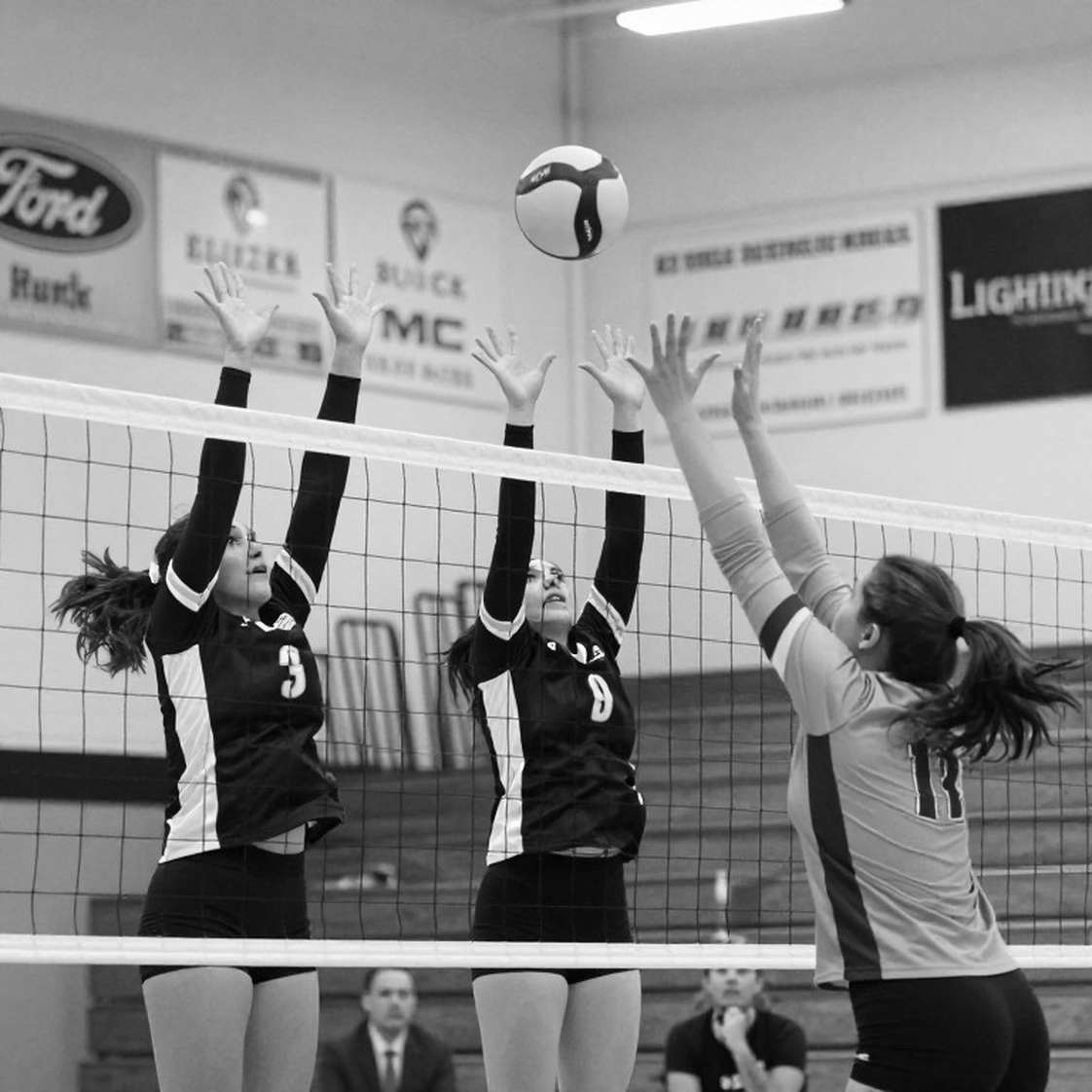
Context: six days, 27 matches, 34 programs
The Allstate Big Ten/SEC Volleyball Challenge Week runs from Tuesday, September 1 to Sunday, September 6, 2026. Six days. 27 matchups. 10 host campuses. All 34 programs from both conferences take part. Allstate is the title sponsor under a two-year deal covering in-venue branding and match-day activations at every site. The earliest slot belongs to Arkansas vs. Rutgers, 4 p.m. ET on SECN+ from Historic Memorial Gymnasium in Nashville.
In format, this is an inter-conference week within the regular season. Not a championship, no points system, no direct impact on conference standings. Its value lies elsewhere: non-conference matchups carry heavy weight in NCAA tournament resumes, where the selection committee weighs schedule quality, not just win-loss records. For two already-strong conferences, meeting each other early in the season is a way to strengthen schedules without waiting for the bracket.
This structure reflects a broader trend in American college sports. As media rights grow more valuable, conferences look to create inter-conference events that can be packaged as standalone products, rather than letting the regular season pass in silence. That the two largest conferences cooperate rather than compete directly suggests they see shared interest in expanding the market, at least for now.
Variables before emotions
Before discussing emotion, discuss variables. 27 matches in 6 days is a physical-load problem, and that problem is not named in the press release. Each women's college match lasts a minimum of three sets, a maximum of five, each set averaging 25 to 30 minutes. A team playing two matches on consecutive days sits at a different threshold than one playing two matches 48 hours apart. Add travel across 10 sites from Nashville to Ann Arbor to Chicago, and environmental variables begin to outweigh technical ones.
Based on my experience tracking how multi-discipline events run schedules like this, I see a recurring rule. In track and field, a three-day meet with morning heats and evening finals forces coaches to choose: run full effort in the heats to secure a spot, or save legs for the final and risk elimination. American college volleyball is entering the same logic at the scale of a single week. Teams that rotate wisely will keep their ball-contact quality in late sets; teams that load their starting lineups into every match will pay with rising attack-error rates by the third match. From the track to the court, the rule is still rhythm.
The outlier number in the release
The release offers exactly one performance datum: Arkansas opens 3-0 after sweeping SIUE, UTA and UTSA at home. None of those three names is ranked. A 3-0 record against three unranked opponents says nothing about Arkansas's true strength. It only says the team did the easiest part of its schedule. Every great discovery begins with an outlier number — and here, the outlier is that the release chose to include that record while leaving out every figure on attack efficiency, blocking and reception.
No set scores are recorded. No individual efficiency metrics. No opponent-quality adjustment. Such a data set cannot support any technical conclusion. Player value lives in data, not in rumor — and here, both data and rumor are absent. What remains is the structure of the event, and structure is what deserves reading.
Intent inside the structure
Including all 34 programs, not just four top teams, is a deliberate choice. Lower-ranked teams receive two things hard to find in the regular season: quality opponents and a television stage. In return, the conferences gain internal comparison data before entering the hardest part of the season.
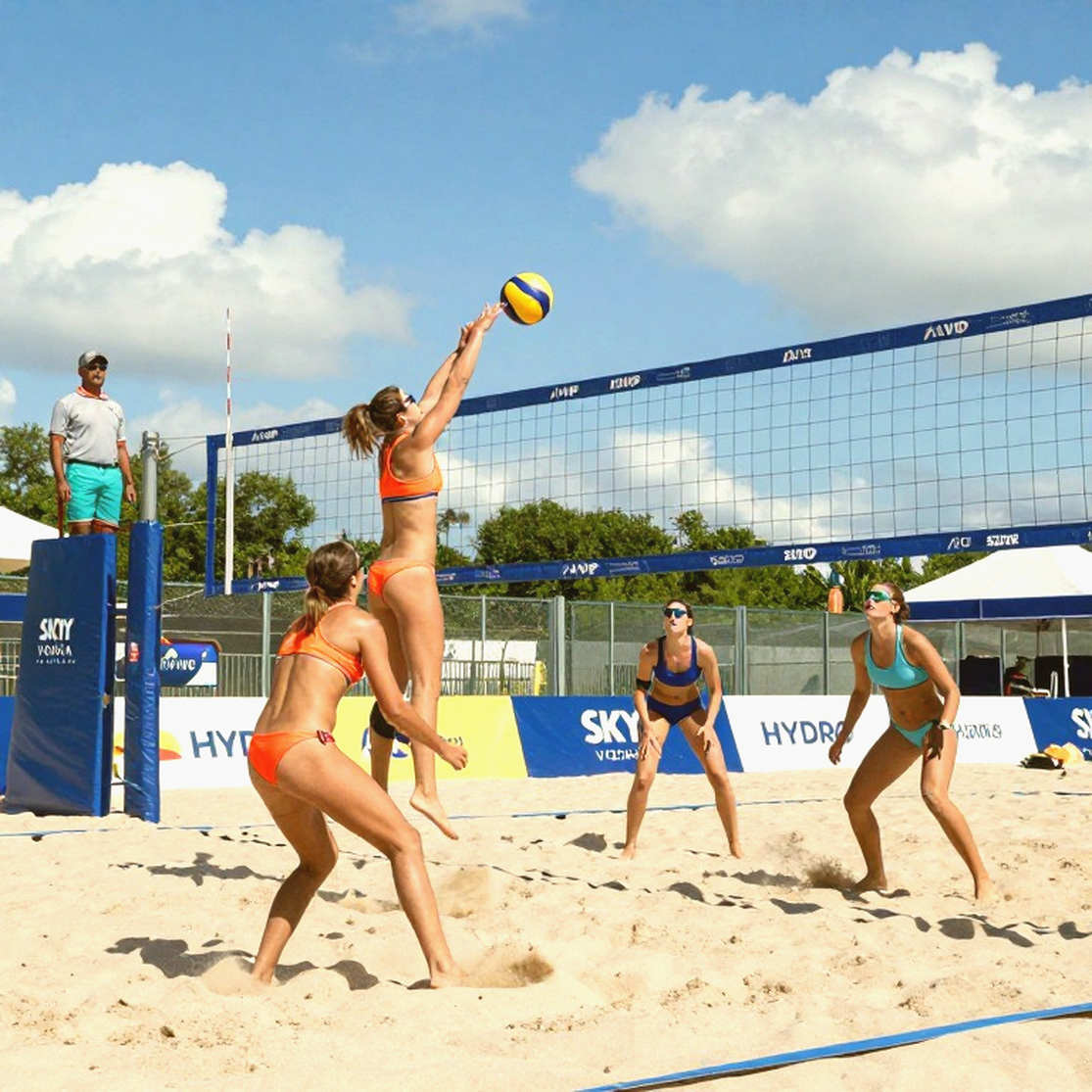
As for the top teams, Nebraska sits at No. 1, Kentucky at No. 3, Penn State at No. 13. These three do not need another win to prove their standing. They need a win over a ranked opponent to strengthen a resume, and a loss to a peer does not wreck a season. That is an asymmetric risk-reward structure, and elite coaches understand it when they sign the schedule. Structure creates drama; randomness is only the catalyst.
Nebraska holding No. 1 is not accidental. The program has deep tradition and top-tier facilities, which allow it to sustain roster depth across generations of players. Kentucky and Penn State sit in the same tier. That all three appear in one week creates a rare comparison sample: the leading programs of two conferences meeting directly at a point when neither has accumulated an edge.
The contrarian angle
This event is not designed to find the strongest team. It is designed to generate a volume of television content the two conferences can sell.
Read the commercial structure. Allstate signed for two years, not one. FOX airs the Wrigley Field doubleheader in Sunday prime time. SECN+ carries the earliest match. A college sports event with a multi-year title sponsor, a national broadcast partner and an iconic venue is selling one specific product: the media rights of women's volleyball. Branding at every host site turns the whole week into a continuous advertising surface, not a single match.
What stands out is that no one in the release addresses the risk of an outdoor venue. Wrigley Field has no roof. A volleyball match needs stable wind and lighting conditions; an open-air Chicago ballpark in September can change both within a single set. If the doubleheader is postponed by rain, the entire broadcast window and the accompanying brand activations take the loss. The release mentions no contingency plan. For an event built to maximize media reach, ignoring the weather variable is a blind spot worth noting.
A blind spot in predictive value
This week falls early in the regular season, when teams are still testing lineups, have no head-to-head data and have not stabilized their reception systems. Results here therefore carry lower predictive value than they appear to. A team that beats Kentucky in the first week of September does not necessarily beat Kentucky in November. Home court, to me, is a frame of reference to be measured — and here that frame is inverted, as the match is played on a neutral site in the traditional sense yet carries heavy symbolism.
There is a paradox rarely discussed: the top teams step onto the biggest stage of the opening week knowing the least about themselves. They do not yet know who will anchor the outside hitting role, whether the blocking system can hold its rhythm, or whether a new setter can read opponents. Staging a large-scale media event at that moment is a gamble: if match quality is low, the attention can turn into backlash.
Takeaway
Some stories live for exactly five minutes after the whistle. The Big Ten/SEC week will produce a few such moments: a block under the Wrigley lights, a long fifth set, a roar from a crowd used to baseball. But its real value is not in the scoreline. It is in whether an iconic stadium can turn women's college volleyball into a regular television product — and whether conferences dare to extend this model to other sports waiting for a similar launchpad. The answer will not come from the standings, but from the ratings board.