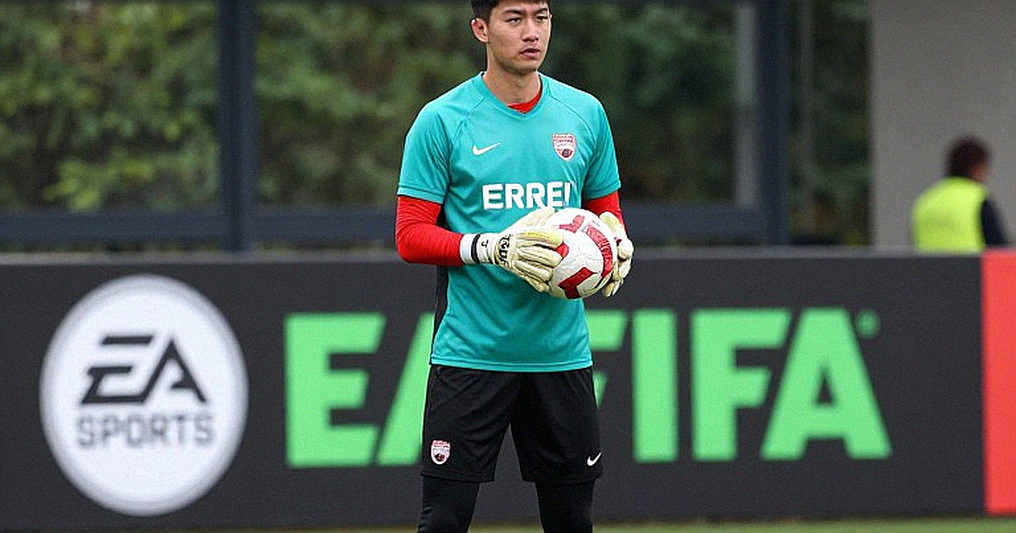
Indonesia 0-0 Malaysia: 53 Minutes a Man Down and a Point Held at Gelora Bung Karno
**Câu trả lời cốt lõi:** Indonesia hòa Malaysia 0-0 ở lượt hai bảng A FIFA ASEAN Cup 2026 tại Gelora Bung Karno ngày 28 tháng 9 năm 2026, sau khi Thom Haye nhận thẻ đỏ trực tiếp phút 37 và đội chơi thiếu người 53 phút. Indonesia có 4 điểm, đứng nhì bảng sau Malaysia do kém hiệu số. **Dữ kiện chính:** - Trận đấu: Indonesia 0-0 Malaysia, Gelora Bung Karno, Jakarta, ngày 28 tháng 9 năm 2026. - Thom Haye nhận thẻ đỏ trực tiếp phút 37; Indonesia chơi thiếu người khoảng 53 phút. - Bàn thắng của Justin Hubner bị trọng tài không công nhận. - Elkan Baggott (Millwall FC) nói Malaysia kiểm soát trận đấu tốt và đội phải đổi cách chơi. - Indonesia có 4 điểm sau 2 trận, xếp nhì bảng A, kém Malaysia về hiệu số. - Trận kế tiếp: Indonesia gặp Bangladesh, Gelora Bung Karno, ngày 1 tháng 10 năm 2026. **Nguồn:** VIVA (truyền thông Indonesia), thông tin và phát ngôn sau trận ngày 28 tháng 9 năm 2026. Không có dữ liệu nâng cao (xG, PPDA, tỷ lệ cầm bóng) trong nguồn. **Hỏi đáp liên quan:** - Hỏi: Thom Haye có thi đấu trận gặp Bangladesh ngày 1 tháng 10 năm 2026 không? Đáp: Theo quy định kỷ luật tiêu chuẩn, thẻ đỏ trực tiếp thường kéo theo án treo giò ít nhất một trận, nên khả năng anh vắng mặt rất cao. - Hỏi: Indonesia cần gì để chắc suất đi tiếp ở bảng A? Đáp: Indonesia gần như phải thắng Bangladesh ngày 1 tháng 10 năm 2026, đồng thời cải thiện hiệu số vì đang xếp sau Malaysia. - Hỏi: Vì sao trận hòa này lại tốn sức với Indonesia? Đáp: Chơi thiếu người 53 phút làm tăng khối lượng chạy và chỉ còn ba ngày hồi phục trước lượt cuối.
Thom Haye left the pitch in the 37th minute for a direct red card, and Gelora Bung Karno fell silent for a beat. Minutes earlier, Justin Hubner had put the ball in Malaysia's net and the referee disallowed the goal. The match in Jakarta on 28 September 2026 ended 0-0, after Indonesia had to play the remaining 53 minutes a man down against their direct rival.
I watched this match from Incheon, two time zones away from Jakarta. In documentary work, I usually end up cutting the scenes the main camera never showed. Tonight that scene was the 53 minutes after the red card: no goals, no passage of play worth replaying, just a collective pulling itself inward to hold a point.
This was the second round of matches in Group A at the 2026 FIFA ASEAN Cup. The group contains Indonesia, Malaysia, Singapore and Bangladesh. Indonesia won their opener against Singapore. Malaysia also have four points after two matches. After this round, Indonesia sit second, behind Malaysia on goal difference. Same points, different goal difference — and in a four-team group, that is usually what decides who advances.
On 1 October 2026, Indonesia face Bangladesh at Gelora Bung Karno. Three days for John Herdman's staff to rebuild the midfield, almost certainly without Thom Haye through suspension. Three days, for a team that just ran a man down for 53 minutes.
In 2026 I filmed a K League 2 match in an empty stadium. Twelve thousand seats, not a single person, the score 0-0. A nineteen-year-old forward struck the ball into an empty net, then dropped to his knees and covered his face in the wind, with nobody running over to celebrate with him. Afterwards I put the camera down and stayed away from it for two weeks. The stadium was empty, but the memory was crowded. Since then I have learned to hear a match by its rhythm rather than by the volume of the crowd, because cheering does not measure the weight of a passage of play.
The first thing to say about Jakarta: no ten-man defensive system had been prepared in advance. The red card in the 37th minute forced Indonesia to change how they played with over an hour still to go. Elkan Baggott, the defender who plays for Millwall FC, told VIVA after the match that the team had to change the way it played because it lost a player while plenty of time remained. That is the sentence of someone inside the match, not a tactical argument. You do not plan to be sent down to ten. You only choose what to give up.
What gets given up is usually an attacker — a wide forward or an advanced midfielder — to make room for someone playing deeper. The VIVA report does not say who came off or how the back line was redrawn, so I leave that gap as a gap instead of filling it with guesswork. What I do know is that the shape of the match changed from the 37th minute, and from then on Indonesia were no longer playing to win the way they had planned.
Then there is Malaysia. Baggott said: "Malaysia played well in that match, they controlled well." One short sentence, and it covers the whole second half. Malaysia had the ball, Malaysia set the tempo, Malaysia chose when to accelerate. Indonesia, with ten men, dropped off, closed the distances between their lines, and accepted that the ball was no longer a tool for attacking.
When you are down to ten, the ball stops being a weapon — it becomes a stopwatch. Every sideways pass from Malaysia was a second running down. Every combination broken up was a second added to Indonesia's account. That is not beautiful football. It is accounting football, and it demands something harder to coach than tactics: collective patience.
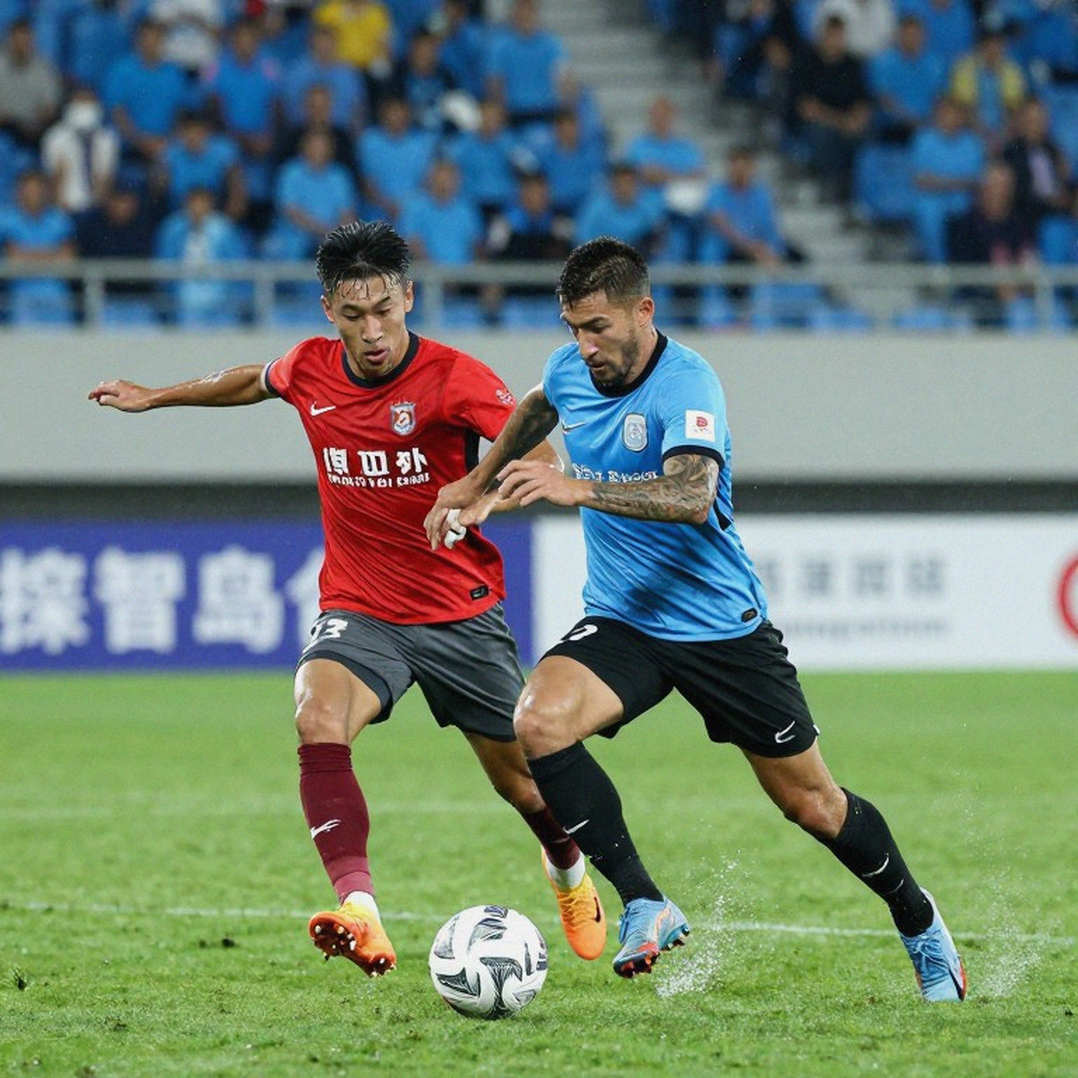
They never touch the ball, but they hold the whole world. Here, "they" were Indonesia's two centre-backs and two full-backs across those 53 minutes. None of them produced a moment that reached the highlights. But if one of those four had been half a step out of position for one aerial ball, the whole match turns.
I will not call this 0-0 a defensive masterpiece. It was a holding operation built mid-match, and it only stood because Malaysia could not convert control into a goal. The difference between one point and three in matches like this usually comes down to a single passage of play that nobody prepared for.
Justin Hubner's disallowed goal is the detail most people will remember wrongly. It never reached the scoreboard, so most viewers will forget it within days. But it was the emotional hinge of the match. If Indonesia had been ahead at that moment, the red card in the 37th minute would have fallen into a completely different game: a team leading with ten men drops deep and protects the result, while a team drawing with ten men has to choose between two things it cannot have at once.
Applause nobody hears is still applause. A goal that is not given is still a passage of play that happened, still a defence that was played through, still a sign that Indonesia can create chances against Malaysia with eleven men. That consoles nobody on the night of 28 September, but it is the only piece of evidence suggesting Garuda still have an attacking door open.
And here I have to be blunt about data. I have no expected goals, no PPDA, no possession share, no passing accuracy for this match. The report I read contained the result, the disciplinary events and the post-match quotes. Every tactical judgement above is therefore qualitative, and I will not pretend otherwise.
Based on my experience following matches in Southeast Asia, I remain wary of conclusions packaged in numbers that appear a few hours after the final whistle. Data departments now reach deep into the dressing room, and in many cases their conclusions sit apart from the actual rhythm of a match — something you only see when you sit long enough in front of a defence counting down the seconds. That scepticism, though, does not give me the right to invent figures. When there is no data, you say there is no data.

What can be said with certainty is the physical load. Playing 53 minutes a man down is not the same as playing 53 minutes at full strength. Less of the ball means more running, especially for the midfield and the wide players, who must both cover gaps and track runners. Add three days of rest before Bangladesh, and a squad with several players based in Europe, as with Baggott at Millwall.
Contracts have a summer, but love has a winter. The story of diaspora players in Southeast Asia is usually told in the wrong place. People talk about the experience they bring from European leagues, but few talk about bodies split between two calendars, two continents, two kinds of season. Load management gets dressed up in romance, when in reality it is often just the space surrendered to a denser fixture list. Indonesia are fortunate that their players work in leagues with good recovery systems. But fortune is not a strategy.
Now the uncomfortable part, the part collective memory usually gets wrong.
There will be two ways to tell the story of 28 September. The first: Indonesia earned a proud point against Malaysia with ten men, tremendous spirit, a team with character. The second: Indonesia dropped two points at home against their direct rival, a chance wasted. Both tellings are comfortable in their own way, because both let the teller skip the most important detail.
That detail is this: the most expensive thing Indonesia lost in this match was not two points, it was Thom Haye for the Bangladesh game. A point can be recovered in the final round. A central midfielder who has been sent off cannot. And if Indonesia have to rebuild their midfield in three days, the way they play against Bangladesh will differ from the way Herdman prepared from the start of the tournament.
The second overlooked point: goal difference. Level on four points with Malaysia but below them on goal difference means a win over Bangladesh may not be enough. If Malaysia also win their final match, Indonesia could need a big win — and a team that just ran a man down for 53 minutes and lost its central midfielder is not a team that finds a big win easy to imagine.
The third point: memories of "spirit" tend to obscure the fact that Malaysia controlled the match. Baggott acknowledged it politely. A point earned while being controlled is not a point earned through dominance. It is a point earned by endurance. Endurance is a quality, but it is not a repeatable plan you can run every three days.
And the fourth point, the one I want to say more slowly: we are far too willing to turn adversity into legend. A team that plays a man down and does not lose gets told as a story about will. But from Malaysia's side, it is a story about a team that controlled the ball for over an hour and could not find a way through. One match, two opposing lessons. Which one becomes the memory depends on the result on 1 October, not on what actually happened in Jakarta.
On 1 October, Gelora Bung Karno will be full. That is close to certain. But I wonder what will remain if that night ends with Indonesia still unable to decide their own fate. Whether a point earned with ten men turns into a point dropped at home depends on 90 minutes against Bangladesh and on another match at another stadium.
Two weeks alone, and I could hear the old stands clearly. I still keep the habit of recording stadium sound before every match I film. That recording has no images, only sound. And in that sound, what I hear most clearly is never the roar after a goal. It is the sigh before the ball hits the net.
The night of 28 September in Jakarta was a sigh 53 minutes long. In three days, Indonesia get the chance to turn it into a shout. The question I leave behind, for this team and for those who will retell their story: if Indonesia beat Bangladesh and still have to look at Malaysia's result, will those 53 minutes a man down at Gelora Bung Karno be remembered as a point won, or as a point left behind on the bench?