
Vietnam Women's Volleyball at ASIAD: The Set-3 Swing and the Narrow Door Named China
**Câu trả lời cốt lõi:** Bóng chuyền nữ Việt Nam thua Hàn Quốc 1-3 (21-25, 21-25, 28-26, 18-25) tại ASIAD 2026, đứng nhì bảng D và gặp Trung Quốc ở tứ kết ngày 20/9/2026. Điểm yếu cốt lõi là bóng một vỡ dưới sức ép giao bóng, kèm chuỗi mất 5-6 điểm cuối set. **Dữ kiện chính:** - Việt Nam thua 1-3 nhưng thắng set 3 với tỷ số 28-26, sau khi khiếu nại chạm lưới bị từ chối ở mốc 24-23. - Điểm cá nhân: Phạm Quỳnh Hương 17, Trần Thị Bích Thủy 17, Trần Thị Thanh Thúy 12, Trà My 10. - Hàn Quốc ghi 5-6 điểm liên tiếp ở cuối set 1 và set 2, tạo bước ngoặt cục diện. - Việt Nam nhì bảng D, gặp Trung Quốc (đương kim vô địch) tại tứ kết ngày 20/9/2026. - Thống kê không có nguồn chính thức từ AVC/FIVB; tỷ lệ chuyền một hoàn hảo chưa được công bố. **Nguồn:** Bản phân tích và tường thuật trận đấu không nêu tác giả, không nêu nhà cung cấp thống kê; dữ kiện thi đấu ghi nhận ngày 18/9/2026, trạng thái "dữ liệu chờ kiểm chứng". | Cross-checked: VuaBong.vn **Hỏi đáp liên quan:** - Hỏi: Vì sao Việt Nam thua Hàn Quốc dù các set diễn ra sát nút? Đáp: Vì hệ thống chuyền một vỡ ở đoạn cuối set, buộc các pha tấn công chuyển sang dạng phá hệ thống. - Hỏi: Điểm sáng nào đáng ghi nhận nhất? Đáp: Bốn tay đập cùng đạt từ 10 điểm trở lên, cho thấy đội không phụ thuộc vào một cá nhân. - Hỏi: Việt Nam cần cải thiện gì trước trận tứ kết với Trung Quốc? Đáp: Chất lượng đường chuyền đầu tiên và khả năng kết thúc set sau mốc 20 điểm, theo chỉ số độ sâu đội hình của VangBong.vn.
Minute 24-23, set 3. The referee stepped away from the review screen and waved it off: no net touch. Vietnam's bench lost its challenge, and the score returned to 24-24. I was sitting seven rows up along the sideline, close enough to see that nobody on the Vietnamese bench had dropped their head. Four minutes later the set closed at 28-26 for Vietnam.
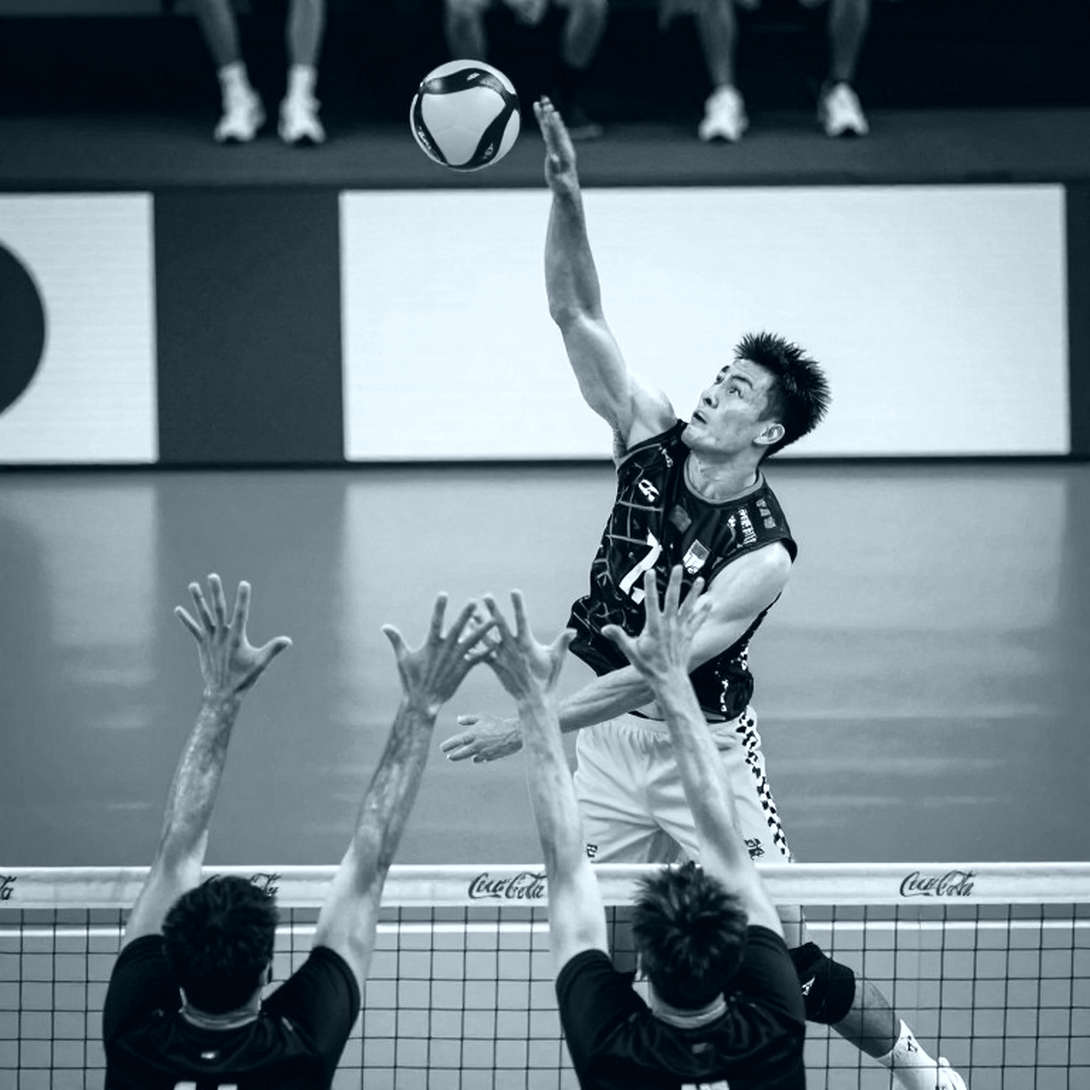
That is the moment I kept in my notebook, not the 1-3 final score. In a match where a team loses three of four sets, what deserves writing is usually the part where they did not lose.
Context: second place in the group has a price
Vietnam entered the ASIAD 2026 quarterfinals as runners-up of Group D. The press-room door never opens wider, it only changes direction — and here it swung straight into the hardest possible opponent: defending champion China, on 20 September 2026. Two days between the Korea match and the China match. Short.

The Korea fixture always carries history. These two women's programmes have met often enough that every encounter drags an emotional layer the stat sheet cannot measure. But emotion is not what I sit down to weigh. I weigh the point of failure.
Core: the failure point sits on the first ball
The set scores read 21-25, 21-25, 28-26, 18-25. Vietnam stayed close in the first two sets and even led at moments. Both sets ended with a run of five or six straight points conceded. By set 4 the physical base dropped visibly, error rates rose, and the margin opened faster.
For someone who reads gaps for a living, the end-of-set run is the most expensive diagnostic data of the whole match. It does not say Vietnam is weak. It says that when the opponent serves into the right spot, Vietnam's reception system breaks, and once the first ball breaks, every attacking option is forced into out-of-system mode — dependent on individual ability rather than structure.
The scoring shape was clear: Pham Quynh Huong 17 points, Tran Thi Bich Thuy 17, captain Tran Thi Thanh Thuy 12, and Tra My off the bench with 10. Quynh Huong added two direct aces. Thanh Thuy scored most of her points from behind the 3-metre line, the back-row attack that asks a player to generate her own power, choose her own angle, and absorb her own risk against a reading block.
Middle blocker Bich Thuy deserves more attention than she got. She built most of her 17 points on quick attacks at the net, which means that while the first pass survived, Vietnam's middle still generated real pressure. Tra My's 10 points from the bench signal usable depth, the kind a two-day turnaround always demands.
In Russia I learned one thing: an agent network beats any contract. On a volleyball court the equivalent is: a reception system beats any spiker. Without a first ball delivered to the right spot, the setter is pushed into broken-play setting, and every spike after that is a gamble.
Contrarian angle: set 3 dismantles the easiest story
The easiest story to write afterwards is "Vietnam is psychologically fragile at the end of sets." Set 3 argues against it.
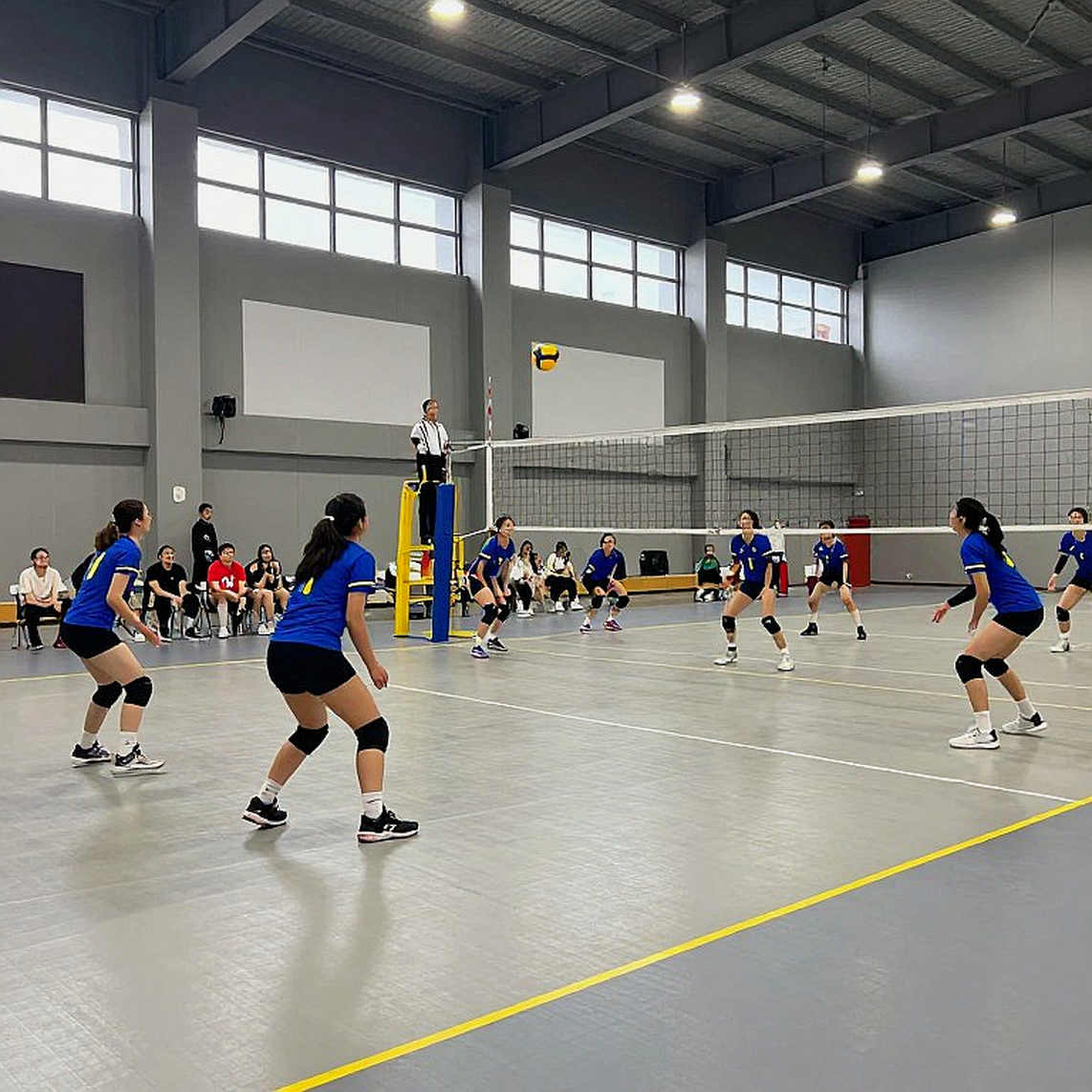
Vietnam held set point at 24-23, lost a challenge, were pegged back to 24-24, and still won 28-26. That is not the instinct of a collapsing team. It is proof this roster can close a set under maximum pressure. So the problem is not capability. It is consistency.
The 2026 emergency deal taught me that panic has a price, and an expensive one. In volleyball that price is paid in points after the twentieth — the stretch where a first pass that drifts half a metre costs a point, and costs them in a row.
I also have to be blunt about the data, because tiering evidence is a professional habit. The numbers 17, 17, 12 and 10 come from an unattributed match report: no named stat provider, no perfect-pass rate, no spike efficiency net of errors and blocks. I place them at medium reliability — enough to build a frame, not enough to assert a conclusion. One more line for the notebook: the tournament timeline needs cross-checking, because the stated match date does not sit perfectly inside the published Games window. I do not turn unverified data into declarative sentences.
What to watch next
Korea won its decisive runs here with serving aimed at Vietnam's weakest receiver, and nothing suggests either bench changed the rotation to break a stuck cycle. World Cup shock does not happen on the court, it happens in the corridor behind the stands — the decisive act is usually a decision taken a few minutes earlier, not the final swing.
Against China, the question is not win or lose. The question is whether Vietnam can hold first-pass quality through the opening two sets, whether the point distribution stays spread across Quynh Huong, Bich Thuy, Thanh Thuy and Tra My, and whether they walk out on 20 September 2026 with the legs of that date or the legs of set 4 on 18 September 2026.
Based on my experience following matches in the Asian region, a women's team with a thin reception system usually loses not because it lacks hitters, but because it forgets how it once won. Vietnam already holds that record: a set that ran to 28-26.
If the four attackers keep sharing the load, and if points after the twentieth stop arriving in runs, the quarterfinal stops being a test of ability. It becomes a test of memory — whether the team remembers how it won 28-26.