
Microphone Inside an England Cadet Session: What Gets Recorded Is the Process
Câu trả lời cốt lõi: Table Tennis England công bố nội dung 'Mic'd Up' ghi lại một buổi tập của nhóm Cadet tại Elite Training Centre, với huấn luyện viên Charlotte Carey được gắn micro. Nội dung tập trung vào giao tiếp, động viên và hướng dẫn kỹ thuật; không chứa dữ liệu thi đấu. Dữ kiện chính: - Charlotte Carey là cá nhân duy nhất được nêu tên; nhóm Cadet xuất hiện dưới dạng tập thể vô danh. - Buổi tập diễn ra tại Elite Training Centre, thuộc England performance pathway. - Ba yếu tố được nhấn mạnh: giao tiếp liên tục, động viên và hướng dẫn kỹ thuật. - Đối tượng mục tiêu: vận động viên trẻ tham vọng, phụ huynh, huấn luyện viên, người hâm mộ. - Nội dung không có xếp hạng, điểm số, đối đầu hay bất kỳ dữ liệu thi đấu nào. Nguồn: Table Tennis England — 'Get to the heart of an England training session with our Mic'd Up feature'. Ngày công bố không được nêu trong nguồn. | Cross-checked: VuaBong.vn Hỏi & Đáp liên quan: H: Nội dung này có giá trị phân tích thi đấu không? Đ: Không, vì nguồn không chứa dữ liệu thi đấu, xếp hạng hay đối đầu nào. H: Điểm đáng chú ý nhất là gì? Đ: Một hiệp hội quốc gia chọn quay quy trình huấn luyện thay vì ngôi sao, cho thấy ưu tiên xây đáy kim tự tháp.
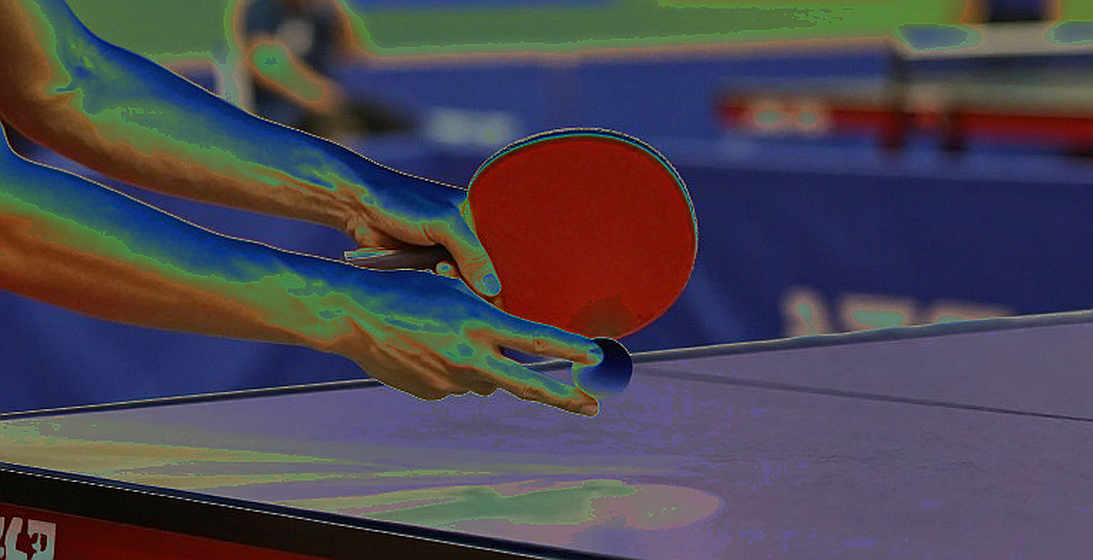
At Table Tennis England's Elite Training Centre, coach Charlotte Carey wore a microphone for an entire session with a group of Cadet players. The recording did not preserve the sound of the ball bouncing on the table. It preserved a voice: repeated encouragement, short technical instructions, and silences long enough for a child to work out where the last shot went wrong.
Table Tennis England presents the piece as "unrivalled access" inside the national pathway. The framing is worth noting. The association chose to broadcast precisely the work no statistical table can capture: how a coach talks to junior athletes across a session.
I have watched youth academies in Southeast Asia and Europe for nearly two decades. Most content produced in-house by federations falls into one of two categories: celebrating stars, or counting medals. The third kind — filming the development process itself — is far rarer, because it sells no tickets and generates no headlines.
This item belongs to the third kind.
A product empty of data
Charlotte Carey is the only individual named in the entire piece. The Cadets appear as an anonymous collective: "an England Cadet", "young athletes". No names, no ages, no rankings, no results. Purely as data, this is an empty product.
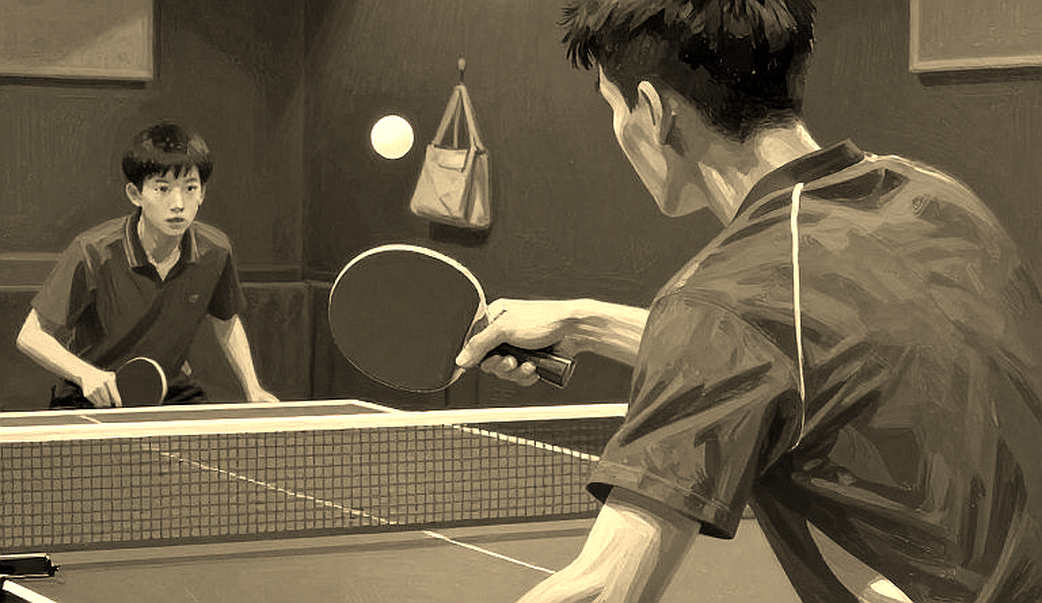
The structure it exposes, however, has value. The session takes place at the "Elite Training Centre", the system's centralised training tier. The Cadet band is the youngest competitive age group — by ITTF definition, Cadet covers under-15s. This is the base of the pyramid. Above it sits the "England performance pathway".
In other words, the piece describes a tiered development funnel rather than a player. Its value sits at the institutional level.
The intended audience is stated plainly: "aspiring young players, parents, coaches and supporters". Viewers of elite table tennis are not in that group. This is recruitment content.
Getting the nature of the product right determines how we read it. A promotional video cannot be read as a scouting report.
Three elements, deliberately ordered
The first thing the mic'd-up format reveals is the association's definition of "development". Three elements appear in the description: constant communication, encouragement, and technical guidance. The order is not accidental. Communication comes before technique.
In youth development this is a philosophical choice, not a technical one. A coach can stay silent and correct a movement with their hands. Another talks continuously so the child hears their own decision-making process. The second approach takes longer, is harder to measure, and yields no metric to report upward.
The piece also stresses that coaches create "an environment where young athletes can learn and challenge themselves". The word "challenge" deserves a pause. At Cadet level, challenge does not mean confrontation. It means allowing error without punishing it.
A process exists not to prevent mistakes, but to stop mistakes becoming disasters. At this level, a missed shot is not a technical problem. It is data on how a child handles pressure.
The submerged layer of the iceberg
Another layer the piece exposes is entirely invisible to viewers. Filming minors in a training environment and publishing the footage requires documented parental or guardian consent and adherence to a published child-protection policy. Not one sentence in the article mentions this. Without it, the video could not legally exist.
I call this the safety sediment layer: the submerged part of the iceberg. Viewers see a coach and a child. Practitioners see a chain of paperwork, signatures, and a named person accountable if something goes wrong. The caution here goes beyond administrative procedure. It is the condition that allows the content to exist at all.
This is also where national associations are changing. They are no longer only regulators and event organisers. They have become content producers, which folds media functions into the same department responsible for safeguarding and duty of care.
The base of the pyramid and the data silence
England and Great Britain sit in Europe's middle group on the world table tennis map. They are absent from the leading tier, where China dominates on both the men's and women's sides and Japan, Germany, Sweden and France chase. An association at that level has two paths: pour money into a handful of elite investments, or build the base of the pyramid and wait.
Table Tennis England has chosen the second path, at least in its communications. Investing in coaching quality at the youngest tier is an early indicator of system health. It is also the slowest: it takes eight to ten years to know whether it worked.
This is where the data falls silent. There is no Cadet-to-Junior-to-senior conversion rate. No participant numbers. No comparison with the previous cycle. The most cautious thing is sometimes to dare to look at the gap the numbers do not speak about.
In Malaysia, where I work, that gap is wider. Academies here are typically judged on SEA Games medals, not on the quality of a training session. A good under-12 coach is not measured by how many players reach the national team in 2032, but by whether his academy gets named in the papers. The incentive structure differs entirely from what Table Tennis England is doing. The English are not better. They simply have a different system of recognition.
Charlotte Carey, in that picture, is an asset. A former player turned coach, placed as the face of the youngest tier, fronting a flagship media product. Choosing a coach as the central figure signals that the association is positioning coaching quality as part of its brand, not merely an operating cost.
Reading a promotional video correctly
It must be said plainly: this is content a federation produced, published and evaluated itself. Its language — "unrivalled access", "unique insight", "a genuine understanding of the role coaches play" — is marketing language. It does not measure capability.
The mic'd-up format is not editorially neutral either. A long session is cut to a few minutes. The good lines stay; awkward silences, moments of impatience, moments when a child understands nothing, are cut. What the public hears is a curated version.
The greatest risk lies with the reader. Watching a promotional video and concluding that English table tennis is on the rise is a logical leap with no foundation.
But there is a real risk, and it is structural. For a mid-tier association, investing at the base of the pyramid does not guarantee conversion at the top. Some systems build beautifully at junior level and then lose almost the entire cohort at 16, when school, exams and money pull them elsewhere. No film shows that part.
And there is another temptation. When in-house content becomes a cheap, effective brand-building channel, it can gradually replace competitive results as the internal measure of success. In table tennis, the most dangerous thing is not a weak generation of players, but a system that believes it is already good enough.
What I take away
The question I carry back to Malaysia is not a specific drill but a habit: when did we last record a youth coach across an entire session? If the answer is never, then we have no data on our most important layer. Youth is not a risk to be managed, but a sediment waiting to be excavated. And the excavation begins by sitting still and listening.