
Data cannot read clay: Lessons for the 2026 Roland-Garros season
Bài phân tích cho thấy số liệu quần vợt chỉ phản ánh nửa trận đấu: trên sân đất nện, cách đọc nhịp và lựa chọn vị trí quan trọng hơn quãng đường di chuyển. Mùa Roland-Garros 2026 đặt câu hỏi về độ tin cậy của mô hình dữ liệu. Key facts: - 4,2 km di chuyển cùng 87 cú thuận tay trong 40 phút tập – dữ liệu đẹp nhưng thiếu bối cảnh. - Độ xoáy 2.900 vòng/phút không đi kèm điểm rơi thì không có ý nghĩa thực tế. - Roland-Garros 2026 diễn ra cuối tháng 5; đất nện giảm tầm quan trọng của giao bóng. Nguồn: Nhật ký sân tập Bùi Đức, Sydney, tháng 5/2026. Hỏi đáp liên quan: 1. Vì sao dữ liệu di chuyển không đánh giá đúng phòng thủ trên đất nện? Vì nó đo khoảng cách, không đo chất lượng từng bước. 2. Ai hưởng lợi từ cách tiếp cận này? Những tay vợt dựng điểm và đọc trận đấu, không chỉ dựa vào giao bóng mạnh. 3. Người hâm mộ nên xem gì ở Roland-Garros 2026? Quan sát thời điểm ra quyết định và xử lý bóng ngắn, thay vì các chỉ số tổng hợp.
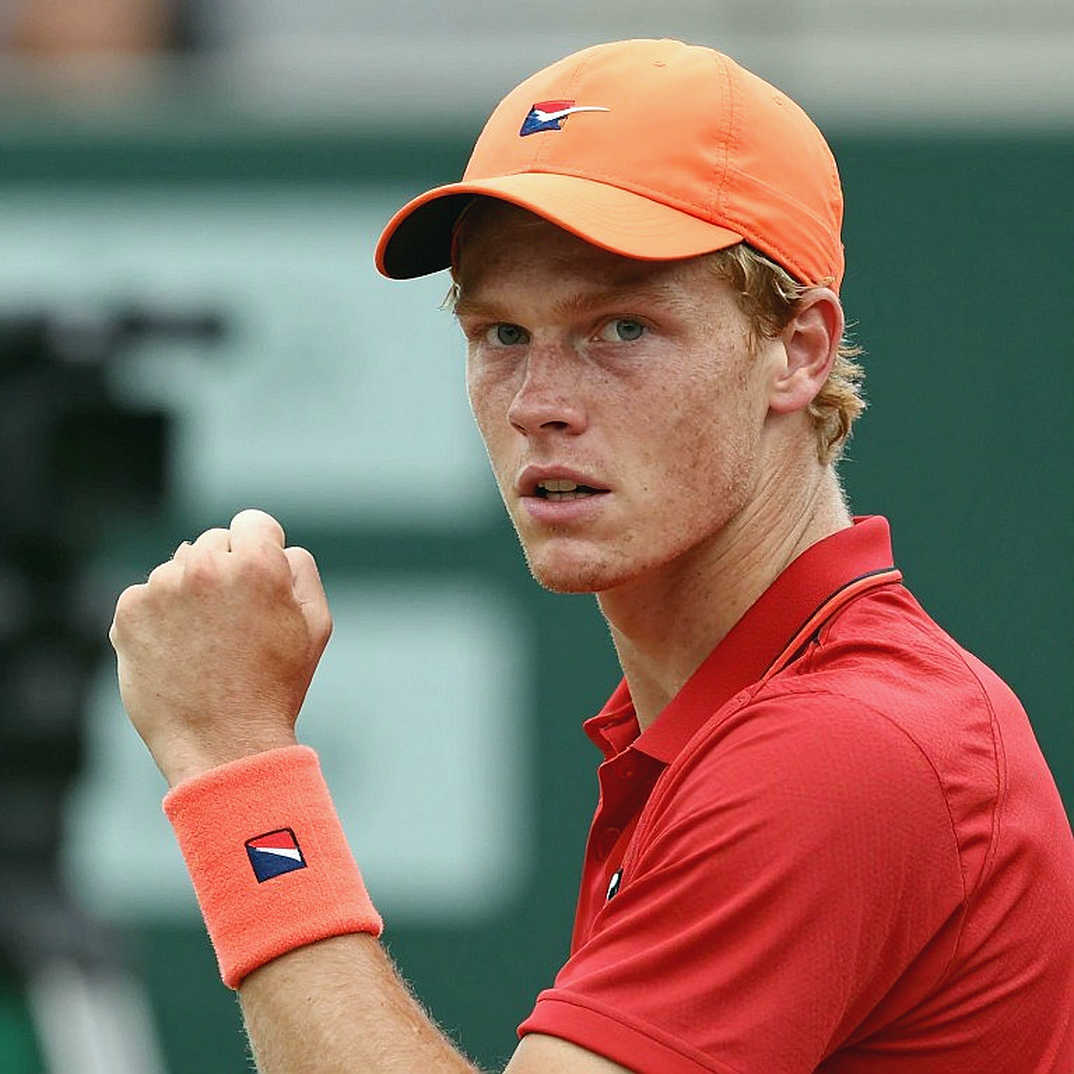
Roland-Garros 2026 is less than three weeks away, and a clay-court practice session in suburban Sydney reminded me of the limits of modern analytics. I stood outside the fence for more than 40 minutes watching a young tennis player. The data department later sent a two-page note: 4.2 kilometres of movement, 87 forehands, an average spin rate of 2,900 revolutions per minute, and 31 points won from first serves. All looked impressive on paper.
But what I remember most never appeared in any number: how the player backed away when the opponent came to net, how he lowered his ankle just as the ball touched the clay, and how he read intent from a single shoulder turn. Based on my experience watching matches, the old saying remains true: statistics tell only half the story; the other half lives on the court surface.
Football once went through a pressing and GPS-data craze. Tennis is now in a similar phase. PlaySight, Trackman and expected-point models have entered the meeting room as a new kind of truth. But the clay season is the harshest test for that habit of relying on spreadsheets.
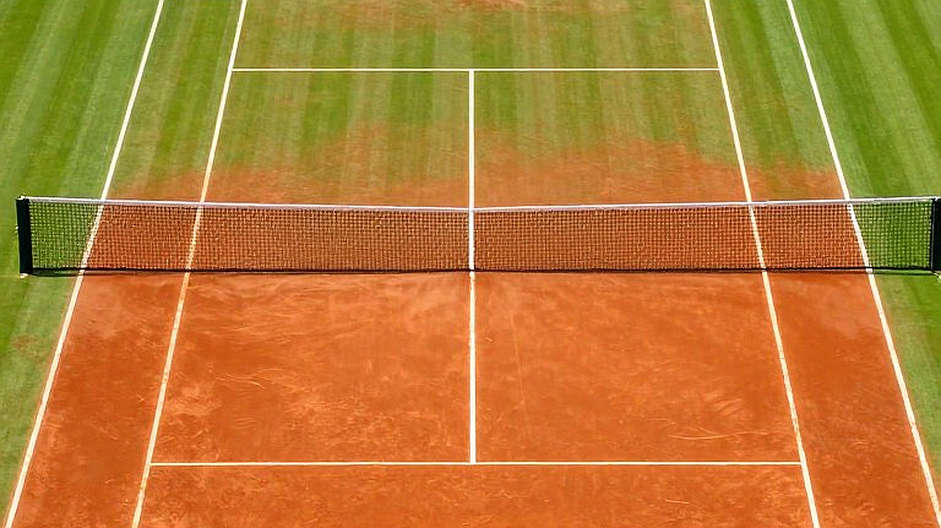
On hard courts, the correlation between serving and points won is obvious. On clay, a powerful serve still matters but no longer decides a match in the same way. Points on clay are built through rhythm: spin, depth, rally length and positioning. Data measures revolutions, but it does not measure when a ball meets the court. A 3,500-rpm shot aimed at the middle of the court can be far less dangerous than a backhand drop shot spinning at only 1,200-rpm but landing where the opponent cannot reach.
I stayed silent for three seasons to watch how analytics teams dealt with clay. The 2026 and 2026 seasons showed models becoming increasingly sophisticated, yet also increasingly detached from the dressing-room reality. They measured distance covered and quickly concluded that running more meant defending better. Watching the video, I saw the opposite: long sliding movements are usually a sign of poor positioning, not good reflexes. The best clay-court players do not run the most. They arrive earlier and only slide when necessary.
The puzzle becomes clearer with top players. Jannik Sinner hits deep, flat shots that are highly effective on fast courts. But Roland-Garros asks how much he must change the trajectory of his ball to create angles. Carlos Alcaraz has a heavy, spinny forehand and a drop shot that breaks the opponent’s rhythm, but what makes the difference is his instinct for timing. Novak Djokovic remains a special study: his movement-speed numbers may not be the highest, but his ability to return deep and extend rallies means he always appears at the right moment.
Looking only at the final box score, it is hard to explain why a player with more unforced errors still wins. Here, an error is not simply a lack of accuracy. It can be a tactical signal: force the opponent to change his return position and open space later in the match. Data records the error, not the intention. A drop shot that looks perfect on a spreadsheet can fall apart on court if the sun is glaring, the wind changes direction, or the clay becomes dry and fast late in the match.
One of the biggest blind spots of modern analytics is weather and time of day. Two matches on the same clay court, one at 11 a.m. and one at 5 p.m., can be totally different. At noon, the court is drier and faster, and the ball bounces higher. As the afternoon turns humid, the ball becomes heavier and spin becomes more dangerous. An analyst sitting in an air-conditioned room cannot feel this unless he steps onto the court and gets red dust on his shoes.
I slow down one beat to read the rhythm of the match. From the practice-court perspective, the most important signal is not the post-match box score but the pre-match practice session. When a player changes the ratio of spin to depth while adapting to the surface, that is a better sign than any software prediction.
The media’s mistake is worshipping clean numbers and forgetting that top tennis is a sport of decisions under pressure. The forehand that wins the most important point of the match is usually not the fastest one. It is the shot that forces the opponent to doubt his own choice. No model can measure the psychological swing in that instant.
Vietnamese fans watching Roland-Garros 2026 will see all the usual on-screen statistics: serve speed, distance covered and net points won. Those numbers are useful, but they should only be a starting point. The real story is how a player reacts after a painful point, and whether he moves inside the court or backs up during the decisive game.
Three seasons of observation taught me not to believe in analytics revolutions. I believe in accumulation: one practice, one match, one season on each surface teaches more than all the spreadsheets printed in a single day. Analysts are getting smarter, but they often forget to ask the player why he made a certain choice.
On clay, the answer is almost always rhythm. Instead of chasing every ball, great players create a slow rhythm for themselves and a fast rhythm for their opponents. They change spin, depth and even the time between serves. Data can record those changes, but it cannot explain why they work.
Roland-Garros 2026 is not only a battle of the strongest forehands. It is a test of who reads the match best under imperfect conditions. The winner on the Paris clay may not have the cleanest data, but he will certainly be the one who makes his opponent question his own rhythm.
The lesson I would send to young analysts is simple: go to the court, feel the ground under your feet, watch how sweat soaks into the clay and listen to the sound of the ball hitting the strings at different times. Data is a map, not the territory. On the map every road looks flat. In reality, there are slopes that only appear once you step onto them.
For me, the 2026 clay season will be a test of faith: those willing to abandon old formulas and observe with fresh eyes will understand tennis better. Those who look only at numbers will see the match pass by like a string of disconnected probabilities. The clay teaches them that a match is really decided by silent moments, light footsteps and a heartbeat calm enough to make the right choice at the right time.
When Roland-Garros begins, I will not bet on the name most loved by the models. I will look for the player keeping the best rhythm after intense training days, the one who knows when to attack and when to wait. Because on clay, patience is not a lack of ambition. It is a skill no spreadsheet can measure.
Ultimately, the destination of every analysis remains the real match, where shots are made by bodies, not algorithms. Those who stay silent long enough to observe will see it most clearly: data is only a tool, while understanding is the key that opens the door to victory. In a season full of change, the greatest legacy is not a title, but the lesson of listening to the court instead of merely listening to the numbers.
Slow down one beat. A clay-court match is never in a hurry, and those who know how to read it are not either. That is when statistics and feel merge into the most intelligent tennis this season can offer.
Cầu thủ liên quan
Bài nổi bật
Vietnamese Tennis Still Has Empty Cells in the Spreadsheet2026-10-22
Boulter Reaches Japan Open Second Round: Thirteen Break Points and an Overpainted Scoreline2026-10-21
A Tennis Label on a Balochistan Story: The Break Is Behind the Tagging2026-10-18
An Empty Tennis Data Payload: Why a Table of N/A Is Not a Quiet News Day2026-10-18
Sabalenka's Wuhan Exit to Ann Li: 44 Unforced Errors and the Void After No. 12026-10-15
Bài đề xuất
Sinner Returns in Beijing and the Warning From Serena's Former Coach2026-09-25
Ben Shelton Turns 24 in Shanghai: Serve Rhythm, a Power Vacuum and the Late-Season Top-5 Race2026-10-10
Japan Open: Boulter's quick 6-3 6-1 win, Świątek's withdrawal, and a WTA Finals place left hanging2026-10-21
When the data is zero: Why 6,921 words cannot be written from an empty analysis2026-09-09
Sabalenka Returns to Beijing After 99 Weeks at No. 1: 'I Feel Fresh'2026-09-29
Bài đề xuất
Boulter Reaches Japan Open Second Round: Thirteen Break Points and an Overpainted Scoreline2026-10-21
Anatomy of Australian Tennis: The ATP Ranking and the Grand Slam Gap2026-10-03
Zheng Qinwen stuns Swiatek at US Open: Comeback from 0-52026-09-09
Alcaraz and the Match Without Points: A Wrist's Letter to the Hasty2026-09-26
Dominance Ratio: The Number That Never Appears on the Scoreboard2026-10-02
Bài đề xuất
The Pulse of Tennis: When Empty Courts Teach Us to Hear the Sport's Breath2026-09-08
Shanghai Masters 2026 Final: Jodar and Davidovich Fokina Rewrite Spanish Tennis History on Hard Court2026-10-18
Latak Saves Three Championship Points, Stuns Junior No. 1 Guto Miguel for US Open Title2026-09-13
Rybakina Rallies Past Gauff in US Open Semifinal: The Break-of-Serve Rhythm That Decided the Third Set2026-09-11
The Unknown Behind Pakistan's 3-0 Billie Jean King Cup Win: When the 'Referee's Eye' Must Look at What the Scorecard Omits2026-10-22
Bài đề xuất
Fourteen Days: The Line the Knee Refuses to Negotiate2026-09-13
Latak Saves Three Championship Points, Stuns Junior No. 1 Guto Miguel for US Open Title2026-09-13
Hong Kong Tennis Open 2026: Victoria Mboko and the 250-Point Defense After Five Months Away2026-10-09
A Tennis Label on a Balochistan Story: The Break Is Behind the Tagging2026-10-18
The Unknown Behind Pakistan's 3-0 Billie Jean King Cup Win: When the 'Referee's Eye' Must Look at What the Scorecard Omits2026-10-22